Opening hours
:::
2026/03/05
2026 THEATRE TECH EXPO Between Light and Shadow: A Dialogue Between Humans and Technology
The first THEATRE TECH EXPO, hosted by the Taipei Performing Arts Center (TPAC) and themed "After AI” in 2024, spotlighted innovations in equipment and hardware. Two years later, the 2026 edition turned to "Between Light and Shadow," shifting focus back to the human element. It explores how theatre technology embodies artistic ideas and aesthetics—both onstage and behind the scenes.
Held from February 27 to March 1, the three-day event features over 20 sessions, including forums and workshops. It examines the current state of the industry while promoting cross-disciplinary exchanges among theatre makers, encouraging collective reflection on the relationship between humans and technology.
EXHIBITION
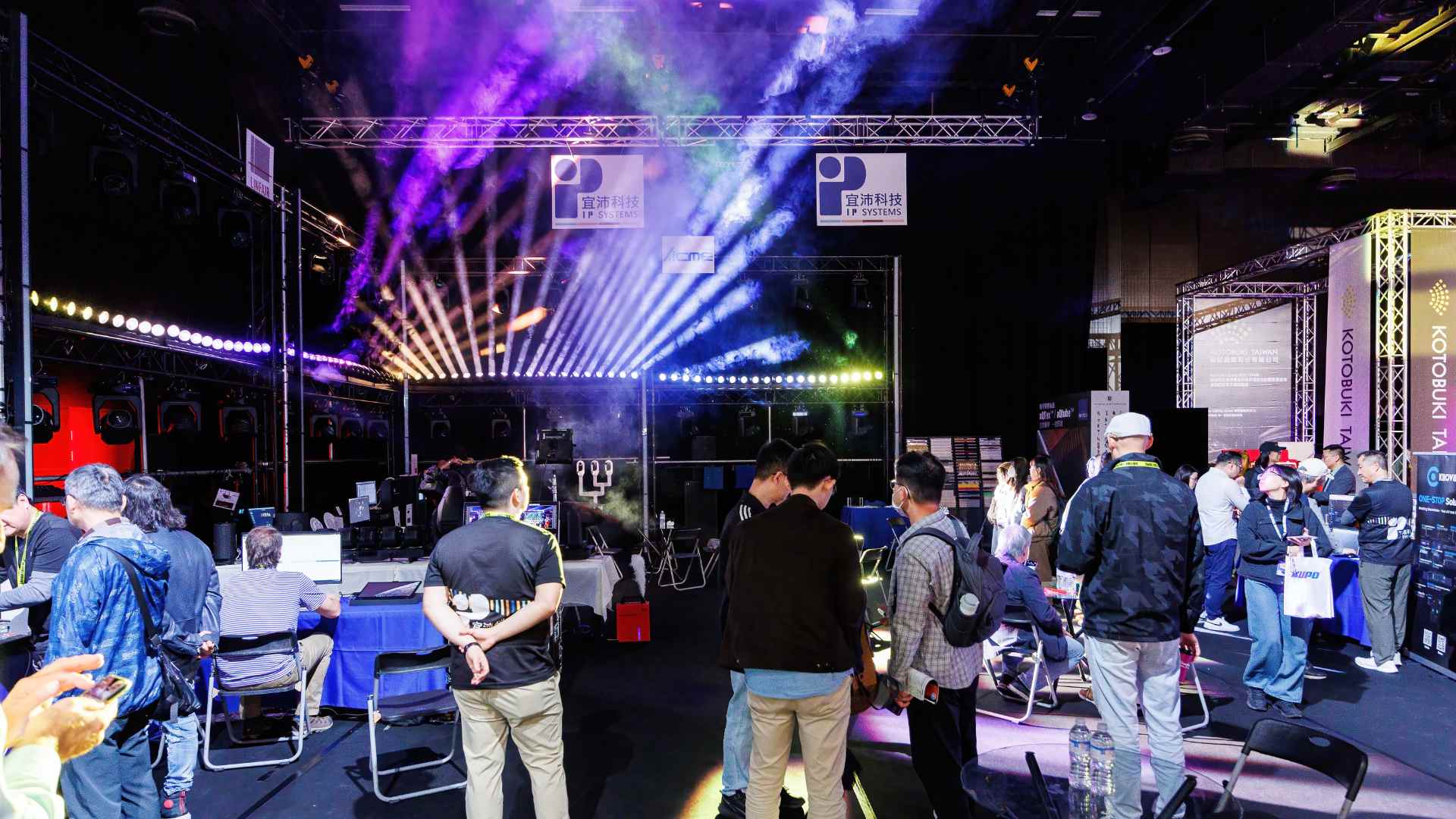
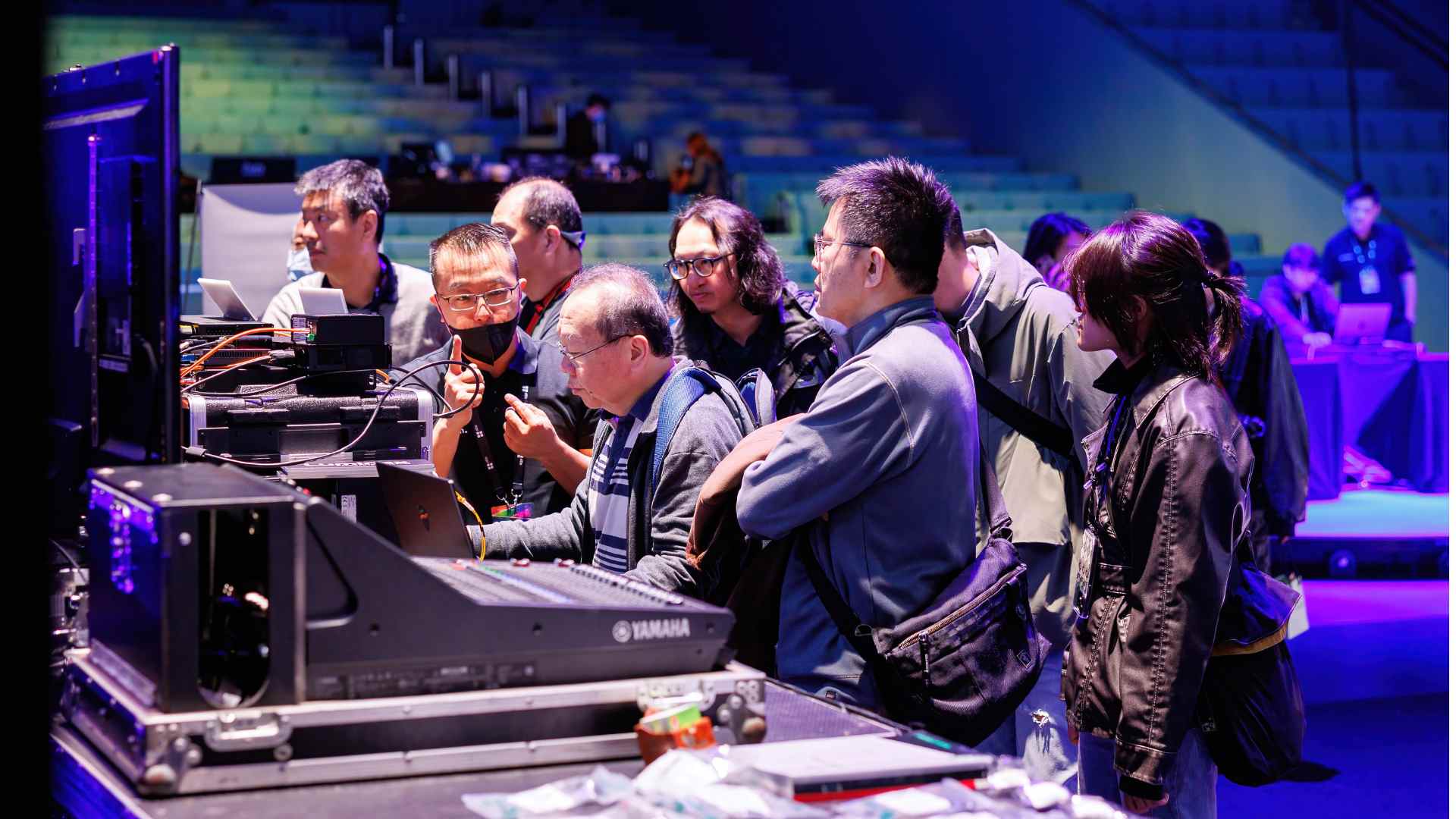
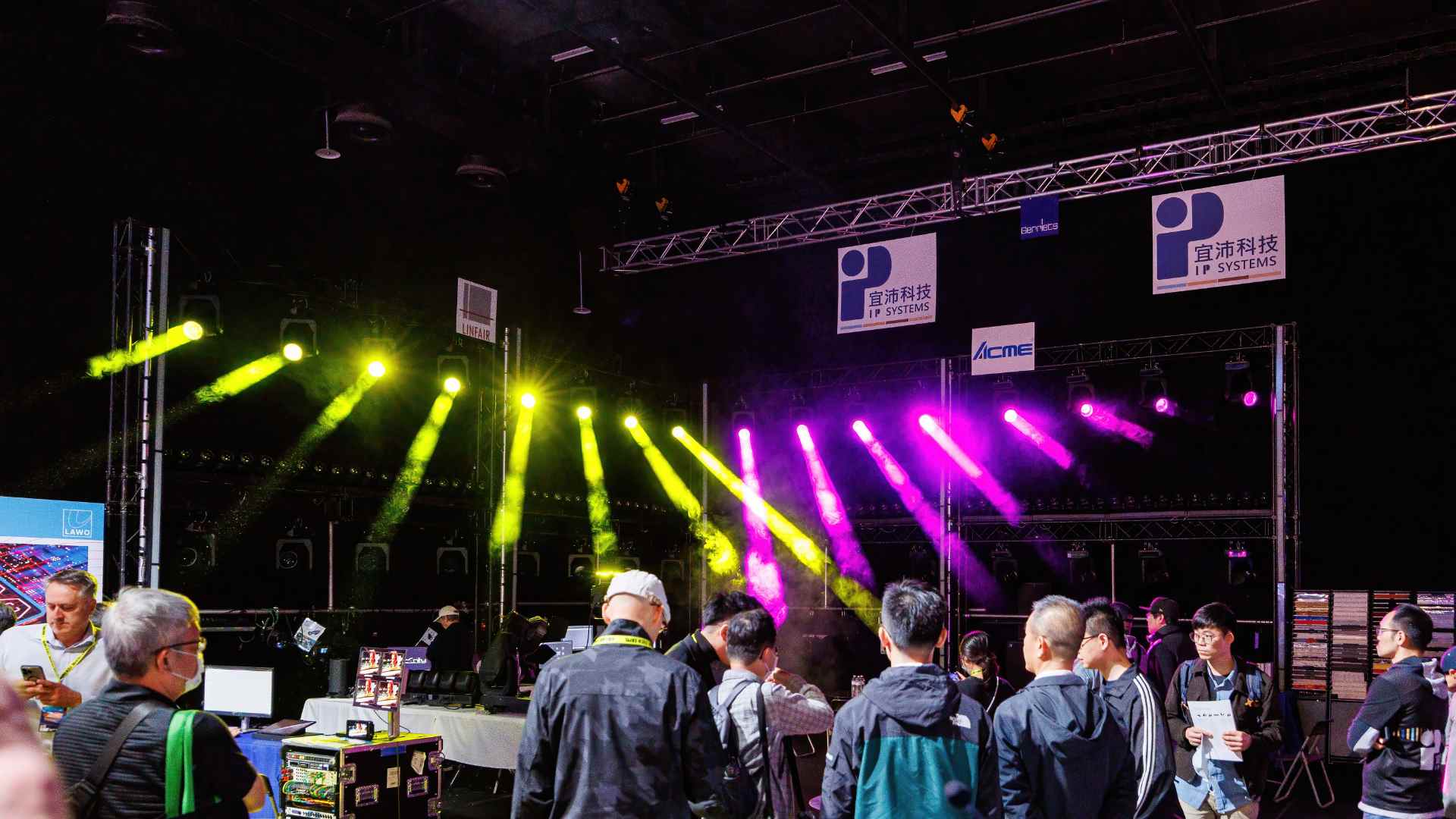
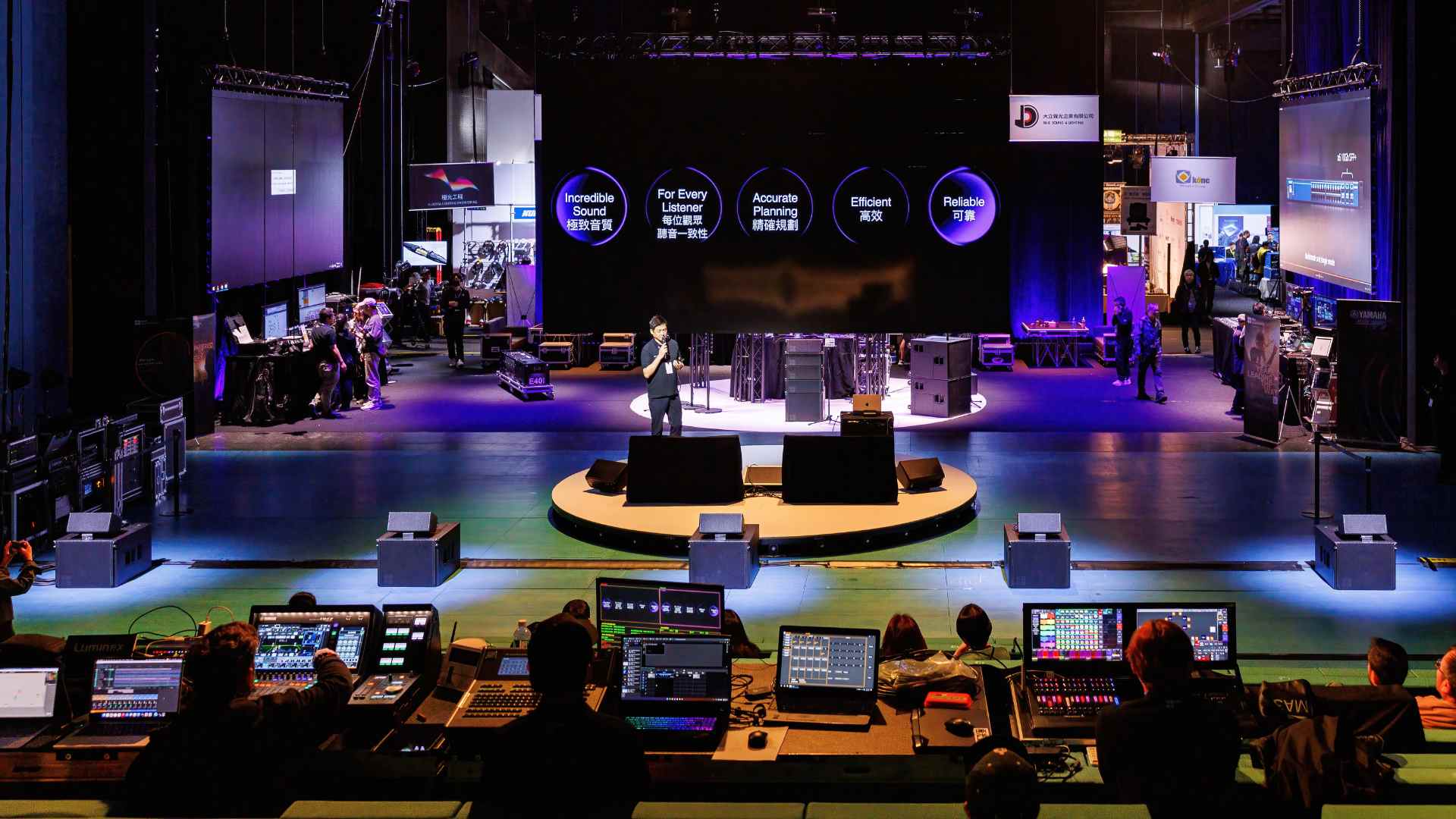
The 2026 THEATRE TECH EXPO invites 14 leading brands in theatre technology and equipment to showcase the latest advancements, including mobile-controlled communication systems, concert-grade consoles, wireless lighting, automated tracking technology, AR/VR, and interactive projection. As technological boundaries continue to expand, so do the creative possibilities on stage. Next to these brands are booths from art school departments and industry unions, demonstrating the close connections between theatre equipment, its users, and the methodologies.
FORUM
Day One
On opening day, the first session featured international powerhouse Electronic Theatre Controls (ETC) sharing its brand history and vision. Concluding with the statement, “ETC provides solutions, not just products,” the session emphasized the essential relationship between technology, service, and people.
The second forum brought together three lighting designers from different generations—Che Ke-chien, Sung Fang-yu, and Su Huai-en—for insights on the craft: For Che, lighting means “allowing the audience to see what they should, and not see what they shouldn’t.” Sung describes it as “visually selecting the best,” while Su speaks of “constructing infinite spaces within countless darknesses, illuminating every story with light.” Guided by the session host, the designers reflected on the transition from analog tools to the digital era and their collaborations with theatre makers across generations.
The day concluded with a forum on occupational safety in theatre. Taiwan Association of Theatre Technology Chair Hsu Yu-lei and Taipei Stagecraft Labor Union Chair Shih Ya-ling engaged in an open and accessible conversation, advocating a "prevention is better than cure" mindset. They also introduced free educational resources available to help strengthen safety awareness within the industry.
Day Two
Day two's forums emphasized the protection of theatre professionals, covering both labor rights and personal safety. The first session presented a report by the Taipei Stagecraft Labor Union on the theatre industry’s first labor-management conference, held in 2026. The exchange aimed to pinpoint shared concerns between employers and employees. The session included survey analysis conducted prior to the meeting, along with a summary of the discussions.
The second session, hosted by the Tied-in Training Center, focused on high-altitude operations. Through practical demonstrations and accessible explanations, participants learned gears required for working at height.
Day Three
Day three's three sessions centered on design, its practice, and extensions. The first panel gathered eight members from the JoGoodlaDesign, a theatre design alliance, for three paired dialogues: Director & Stage Manager, Stage & Sound, and Lighting & Projection. These conversations explored how design teams navigate crises within limited space, time, and technical constraints to collaboratively bring works to life.
The second session, led by Chang Che-long, examined theatre's aesthetic sibling–cinema. From "theatre cinema" to "cinema theatre," from the proscenium stage to the cinematic frame, he analyzed their irreplaceable differences from a technical lens.
Last was a guided walking tour led by TPAC Executive Director Wang Meng-chao. Participants observed how the center’s distinctive architecture and theatre systems respond to contemporary demands for diversity, interdisciplinarity, and experimentation.
WORKSHOP
Stage
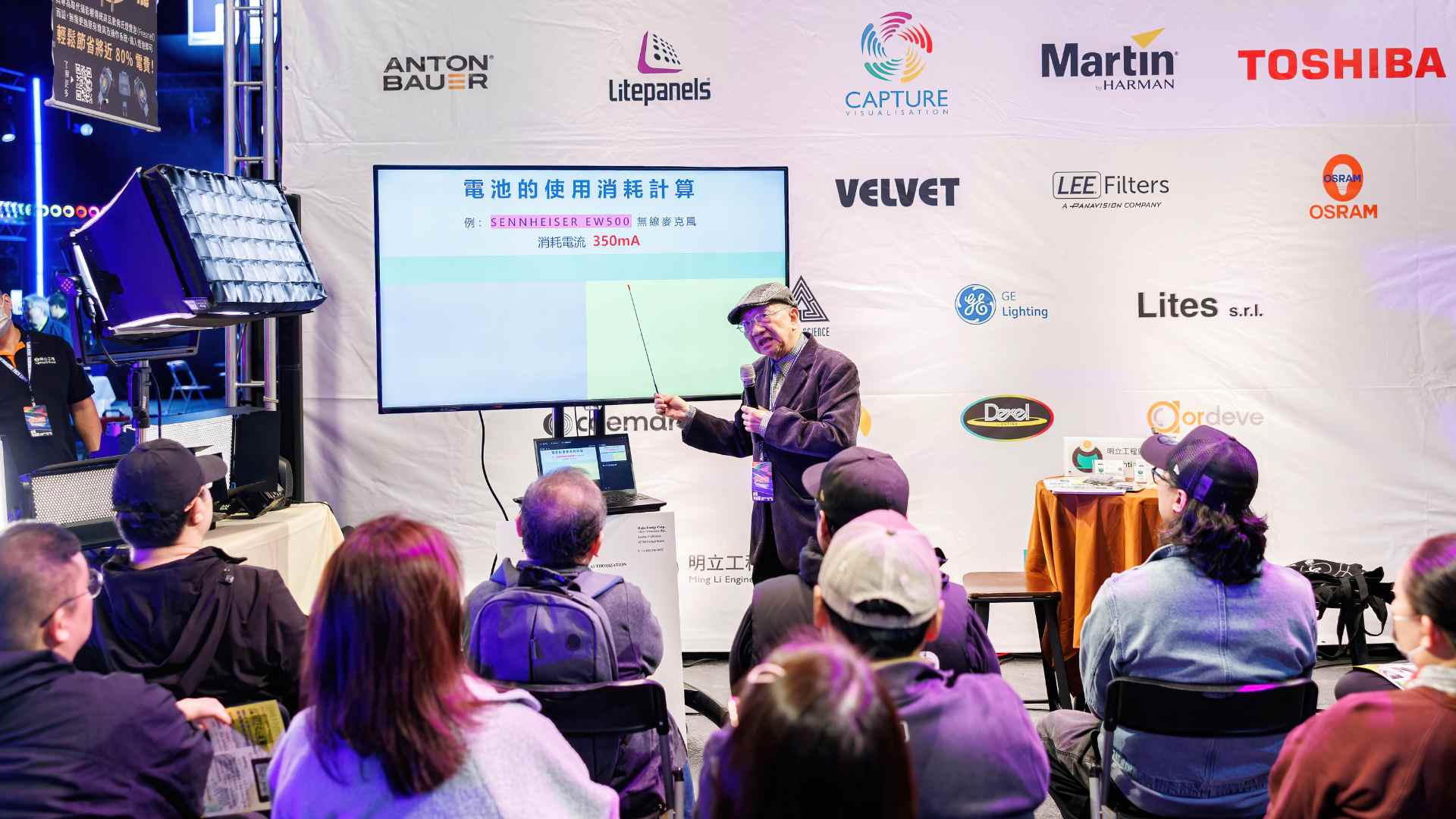
Centered on Gerriets projection screens and stage scrim systems, this session explored various screen materials, their light transmission and reflection properties, and applications of semi-transparent and transparent scrims for stage visual effects. Through real-world case studies, the session demonstrated how scrims generate two- and three-dimensional spatial depth, guiding designers toward ideal visual solutions.
Lighting
Beginning with the evolution of LED stage lighting control, this session examined emerging applications of color LED modules and digital color libraries in professional fixtures. Using grandMA3 as a case study, participants learned how to systematize design intentions and build sustainable, maintainable lighting workflows.
Sound
Starting with the fundamentals of communication systems, this workshop introduced core concepts and practical applications of professional intercom technologies. It then explored Powersoft’s integrated audio ecosystem, including Dynamic Music Distribution and MyUniverso cloud management. Examining contemporary amplification trends, the session highlighted the Ambiance Acoustics System and L-ISA immersive hyperreal sound technology as examples of the growing prevalence and application of immersive sound systems.
Projection
One workshop demonstrated high-efficiency video production using Canon PTZ cameras with an NDI workflow, enabling streamlined, low-staff operations through a single network cable. Another session addressed digital preservation for theatre arts. Using Telestream DIVA and Vantage AI, participants learned to build automated audiovisual archiving workflows capable of managing large-scale video storage and efficiently retrieving needed content.
Occupational Safety
Master the core principles of the newly revised Occupational Safety and Health Act and safety planning to strengthen on-site operations and capabilities of building systems.
Live Performance Software
A systematic QLab training workshop helped participants master fundamental operational logic and practical application techniques for live performance environments.
Stage Machinery
Yang Jin-yuan’s Technical Design Trilogy for Stage Machinery began with AutoCAD-assisted drafting techniques and extended into case studies of machinery systems and performance requirements. The workshop offered participants a comprehensive understanding of stage machinery design thinking and technical logic.