
Time: 10:30-10:35 (CST GMT+8), May 23 (Sat), 2026
Place: Studio 1, TPAC, 11F
Speakers:
Victoria, W.Y. Wang, Chairperson & Artistic Director of TPAC
Theresa Hümmer, Director of Goethe-Institut Taipei
2026 Germany-Taiwan Symposium on Arts & Culture
.jpg)
2026 marks the 70th anniversary of Bertolt Brecht’s passing. To mark the occasion, Taipei Performing Arts Center (TPAC) and Goethe-Institut Taipei are co-organizing the 2nd Germany-Taiwan Symposium on Arts & Culture: Brecht in the 21st Century.
Drawing on historical and archival research, the symposium brings together theatre-makers and scholars from Taiwan and Germany to re-examine Brecht’s creative methods, political thought, and theatrical practice. It further explores how his ideas continue to be translated, responded to, and reimagined in contemporary theatre, curatorial practice, and artistic activism.
5/23 (Sat) DAY 1
10:30-10:35|Opening Remarks
10:35-11:20|Archival Theatres: Brecht’s Documentary Practices
For Brecht, the archive was not a graveyard to finished texts, but rather a dynamic site of creative production. In this session, Noah Willumsen, Director of the Bertolt Brecht Archive at the Academy of the Arts, Berlin, explores how Brecht collected and reassembled fragments of reality—transforming newspaper clippings, interviews, photographs and the new media of his time into a critical theatrical language. In the archive the metabolic process of art continues: absorbing, reworking and intervening in the world around it.
✪Recap✪
Archiving Theater: Brecht’s Documentation Practices ▶Read More
Time: 10:35-11:20 (CST GMT+8), May 23 (Sat), 2026
Place: Studio 1, 11F, TPAC
Speaker:
Noah Willumsen|Director, Bertolt Brecht Archive, Academy of the Arts, Berlin
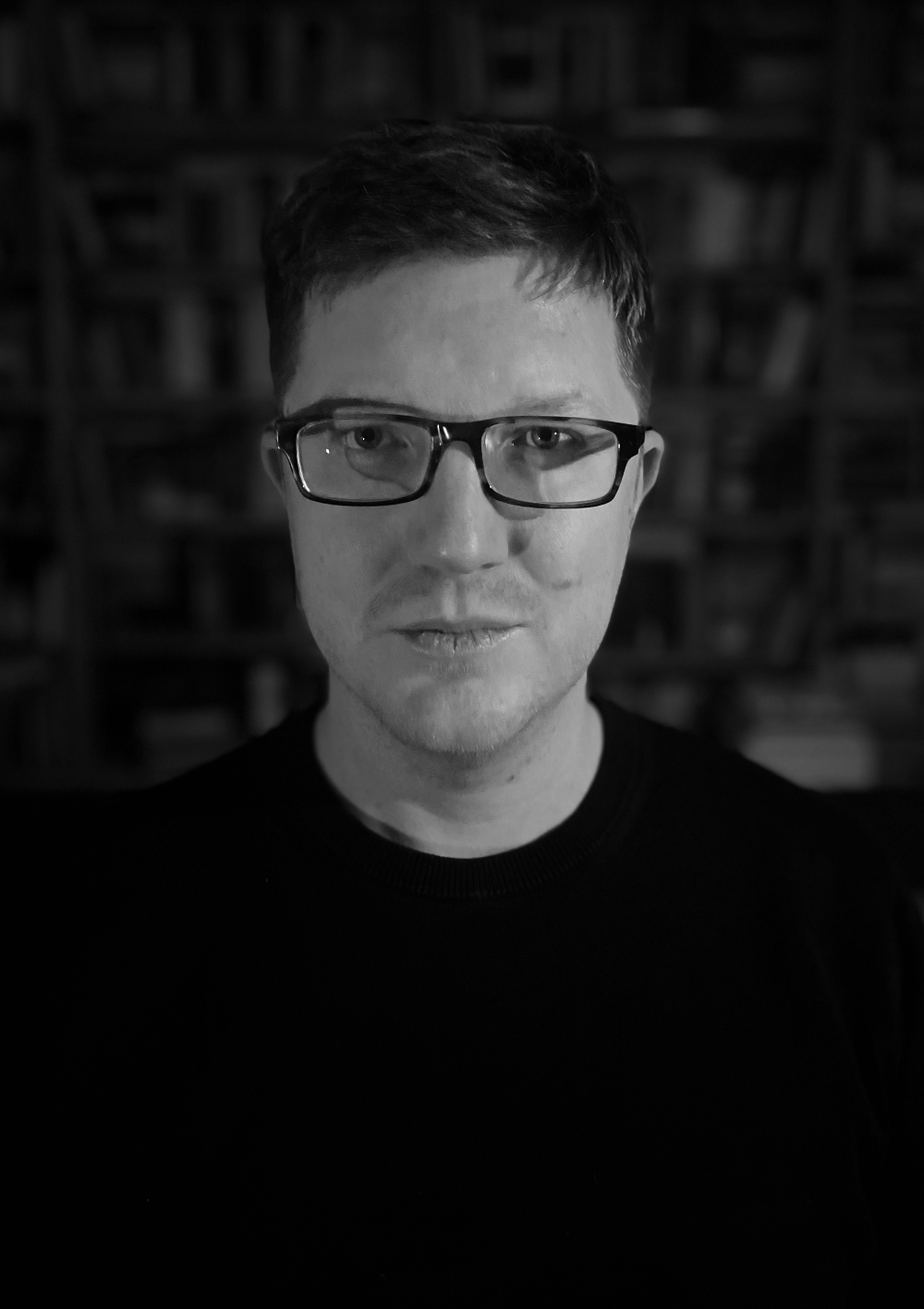
Noah Willumsen studied comparative literature, art history and philosophy in Pittsburgh (USA) and Berlin (Germany), and was a researcher in the DFG-Project “Literary and Epistemic History of Small Forms” at the Humboldt University of Berlin. He has been the director of the Bertolt Brecht Archive at the Academy of the Arts, Berlin, since 2024. In 2023, his collection of nearly 100 lost and forgotten interviews with Brecht (»Unsere Hoffnung heute ist die Krise«: Interviews 1926–1956) was published by Suhrkamp Verlag.
His research concerns the archival traces and journalistic interventions of theate eauthors and practitioners, including Brecht, Helene Weigel and Heiner Müller, and, more generally, the history of orality, the interview and the media of the former East Germany. His essays have appeared in Sinn und Form, Das Brecht-Jahrbuch, Bertolt Brecht in Context, Dreigroschenheft and Heiner Müllers KüstenLANDSCHAFTEN.
11:20-12:00|The Brechtfestival Augburg - A Festival for Everybody?
This lecture explores how the brand “Brecht” can be modernized. How can spectators become a community capable of collective action? What role do new festival centers such as “KARO10” play as inclusive spaces of encounter? And how much of Brecht is still present in performative experiments that consciously dismantle barriers?
✪Recap✪
Who’s In? Imagining All at the Augsburg Brecht Festival ▶Read More
Time: 11:20-12:00(CST GMT+8), May 23 (Sat), 2026
Place: Studio 1, 11F, TPAC
Speaker:
Sahar Rahimi|Artistic Director of Brechtfestival Augsburg
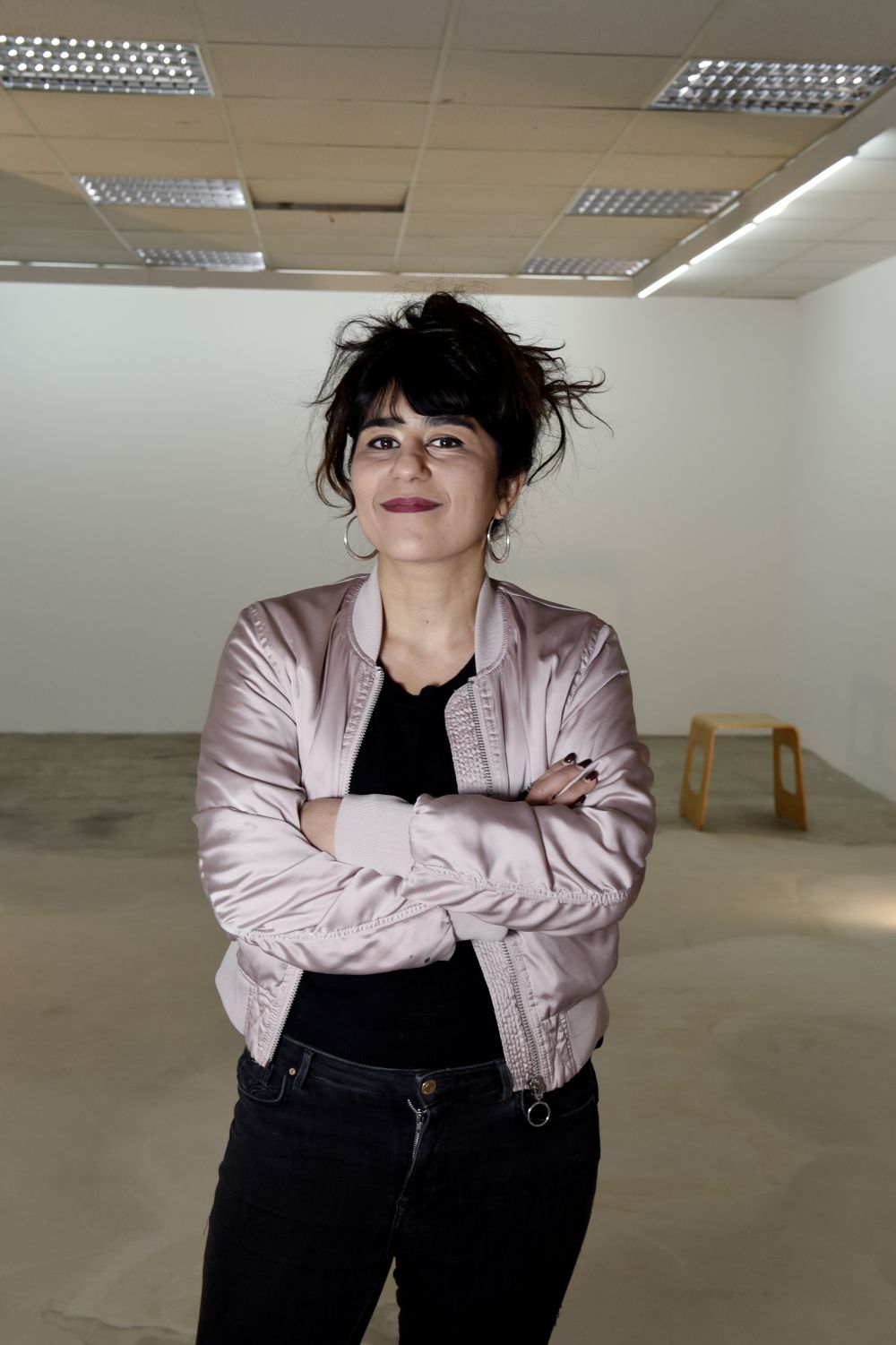
Sahar Rahimi, born in 1981in Tehran, is a director, author, performance artist and curator. Her work straddles the boundaries between theatre, performance, installation, and video. The focus of her work lies in collective, participatory, and inclusive contexts. She studied at the Institute for Applied Theatre Studies in Giessen and is co-founder of the performance group Monster Truck. Monster Truck has realized national and international projects, staged and performed in the independent scene and at municipal theatres, and received the prestigious Tabori Prize for its entire oeuvre.
As a solo artist, Sahar Rahimi has staged productions at Ballhaus Ost-Berlin, Theater Basel, Schauspielhaus Wien, and the Munich Kammerspiele.
13:30-14:10|The Berliner Ensemble, from World Premiere of The Threepenny Opera till Today
Established by Bertolt Brecht and Helene Weigel after the Second World War, the Berliner Ensemble developed into a highly influential theatre company. Over the time, it has reinvented itself while remaining rooted in Brecht’s commitment to artistic experimentation, social engagement, and ensemble-driven storytelling. The story of the Berliner Ensemble is inseparable from the legacy of The Threepenny Opera--The world premiere of Bertolt Brecht and Kurt Weill’s groundbreaking work in 1928 marked a turning point in modern theatre, challenging audiences with its sharp social critique, unforgettable music, and bold new stage language. In his keynote, Oliver Reese will discuss the Berliner Ensemble both as a historic institution and a living theatre of the present--a place where tradition meets contemporary perspectives, where modern plays and classic dramas complement each other in the program and where the questions first raised in The Threepenny Opera still resonate with striking urgency.
✪Recap✪
From Weimar Nights to Contemporary Berlin_ A Century of the Berliner Ensemble. ▶Read More
Time: 13:30-14:10 (CST GMT+8), May 23 (Sat), 2026
Place: Studio 1, 11F, TPAC
Speaker:
Oliver Reese|Artistic Director of the Berliner Ensemble
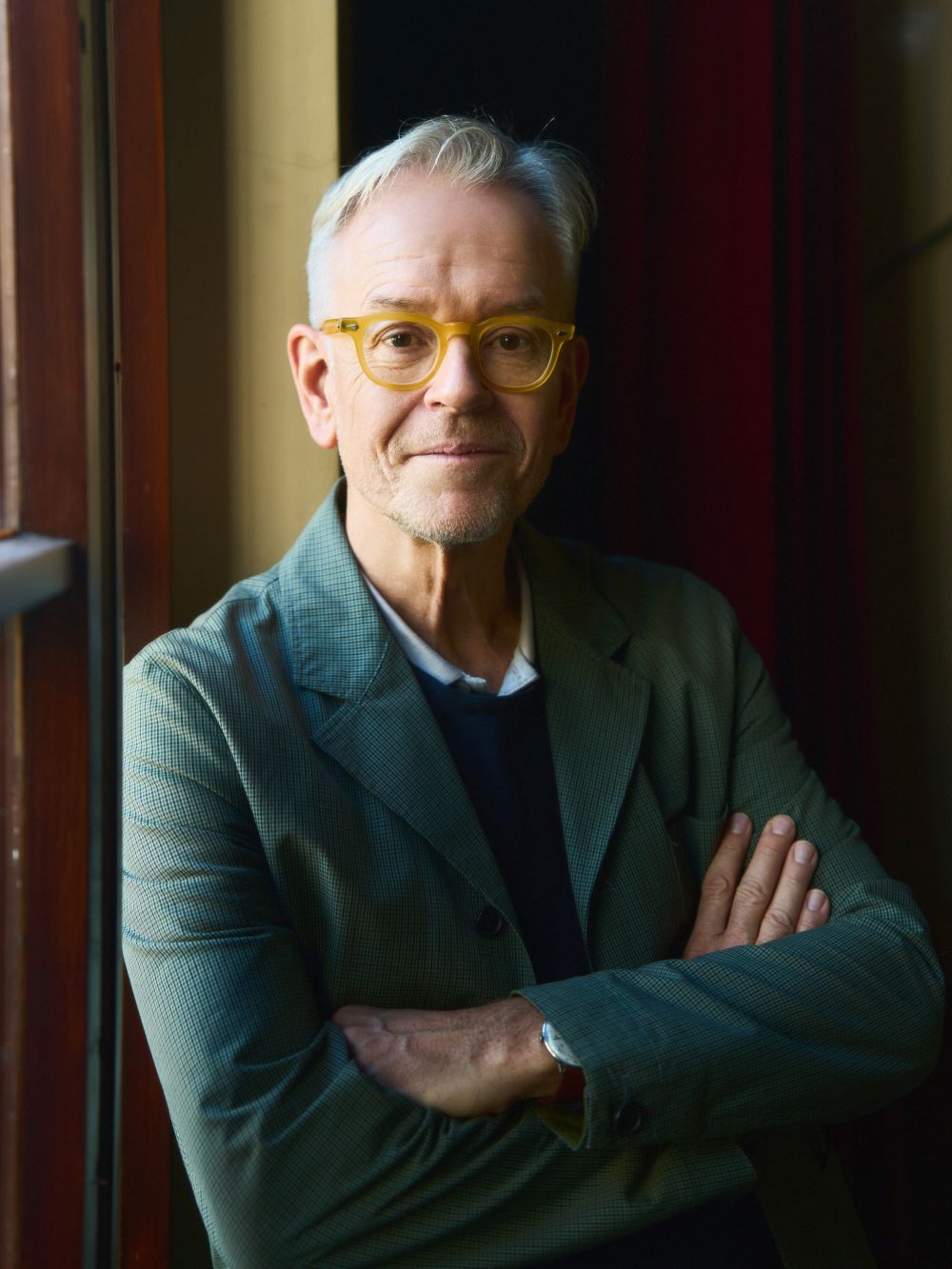
Oliver Reese has been Artistic Director of the Berliner Ensemble since the 2017/18 season. Previously, he headed Schauspiel Frankfurt from 2009 to 2017. Born in 1964 in Schloss Neuhaus near Paderborn, Reese studied Modern German Literature and Theatre Studies in Munich and began his career as an assistant director before becoming a dramaturge at the Bayerisches Staatsschauspiel in 1989. He later served as chief dramaturge at the Ulm Theater and the Maxim Gorki Theater, and as chief dramaturge and deputy artistic director at the Deutsches Theater Berlin, where he was interim artistic director in 2008/09.
As a director, dramaturge, and author, Reese is particularly associated with biographical subjects and literary adaptations. Among his defining works are Bartsch, Kindermörder (1992), Emmy Göring an der Seite ihres Mannes (1994), Goebbels (2005), as well as stage adaptations of Günter Grass’s The Tin Drum (2015), Benjamin von Stuckrad-Barre’s Panikherz (2018), and Oscar Wilde’s De Profundis (2025). At the Berliner Ensemble, he combines this artistic signature with a clear focus on contemporary subjects and new dramatic writing by living authors.
14:10-14:40|Weill’s Threepenny Opera--Work and Biography (Recorded video)
Focusing on The Threepenny Opera and its composer, Kurt Weill, this lecture approaches the subject through three perspectives: the composer’s life, the distinctive features of the work, and its musical-theatrical techniques. It introduces Weill and Brecht as one of the most iconic creative partnerships in modern theatre, and explores how they came together to create one of the twentieth century’s most influential works of music theatre.
✪Recap✪
A Modern Opera: Weill & The Threepenny Opera ▶Read More
Time: 14:10-14:40 (CST GMT+8), May 23 (Sat), 2026
Place: Studio 1, 11F, TPAC
Speaker:
Stephen Hinton|Professor of Music, Stanford University
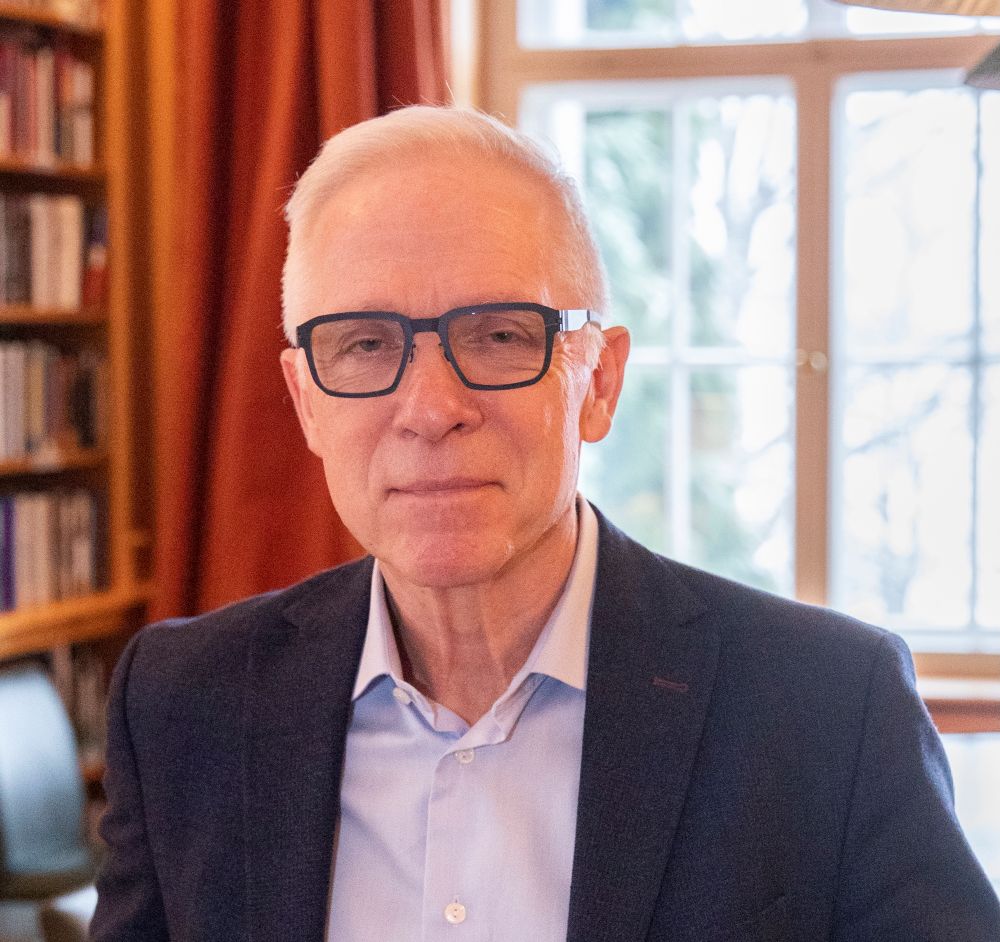
Stephen Hinton is the Avalon Foundation Professor in the Humanities and Professor of Music at Stanford University, with a courtesy appointment in German. A scholar of aesthetics, music theory, and twentieth-century music, he has written extensively on Kurt Weill, Paul Hindemith, and Beethoven. His books include Weill’s Musical Theater: Stages of Reform (University of California Press, 2012; winner of the 2013 Kurt Weill Prize) and its revised German edition, Kurt Weills Musiktheater: vom Songspiel zur American Opera (Suhrkamp, 2023). Hinton also created the edX courses Defining the String Quartet on Haydn (2016) and Beethoven (2019) with the St. Lawrence String Quartet. He previously taught at Yale University and the Technische Universität Berlin. He has held several leadership roles at Stanford, including Denning Family Director of the Stanford Arts Institute (2011–15), Senior Associate Dean for Humanities & Arts (2006–10), and multiple terms as chair of the Department of Music.
14:40-15:00|The Threepenny Opera: From Brecht’s Text to Weill’s Music
In the turbulent years of the Weimar Republic after the First World War, how did Bertolt Brecht develop the concept of “epic theatre” and, through his plays, cast a coolly ironic gaze on the absurdities of society? How did Kurt Weill, working in close collaboration with Brecht and drawing inspiration from jazz and the music of Berlin’s cabarets, create The Threepenny Opera in the spirit of Neue Sachlichkeit (New Objectivity)? Both accessible and strikingly modern, this landmark work became one of the greatest commercial successes in the history of theatre and opera.
✪Recap✪
The Streets Sing in Theaters_ The Threepenny Opera ▶Read More
Time: 14:40-15:00 (CST GMT+8), May 23 (Sat), 2026
Place: Studio 1, 11F, TPAC
Speaker:
CHEN Han-Jin Musicologist
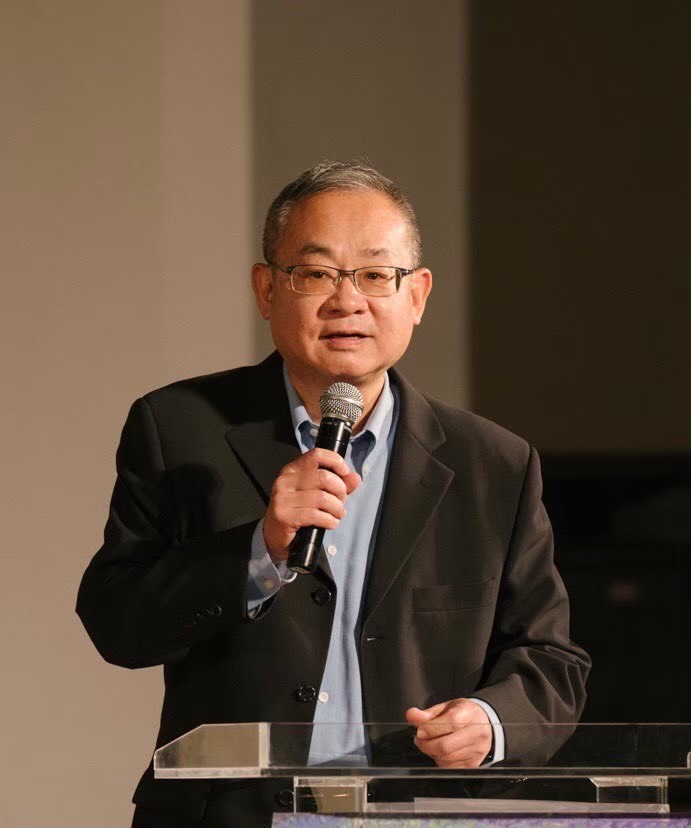
A musicologist who holds both a Master’s and a Doctorate in Musicology from the Sorbonne University in Paris. He was formerly a Professor in the Department of Music at National Taiwan Normal University, where he taught Western Music History, Music and Fine Arts, and other musicology courses. Since retiring from the faculty, he has dedicated himself to writing and public speaking.
His major works include: Ma Shui-long: The Musical Maverick, Discovering Beethoven, Berlioz: La Damnation de Faust, Is It Truly "Impressionist"? Debussy’s Chamber and Orchestral Music.
15:00-15:20|Panel Discussion & Q&A I
Bringing together scholars from diverse fields to critically analyze and discuss the spirit and practice of Brecht.
✪Recap✪
Panel Discussion — How Does Theater Confront a Volatile World After Brecht_ ▶Read More
Time: 15:00-15:20 (CST GMT+8), May 23 (Sat), 2026
Place: Studio 1, 11F, TPAC
Moderator: KENG Yi-Wei
Panelist: Noah Willumsen, Sahar Rahimi, Oliver Reese, CHEN Han-Jin
KENG Yi-Wei |Dramaturge, National Kaohsiung Center for the Arts
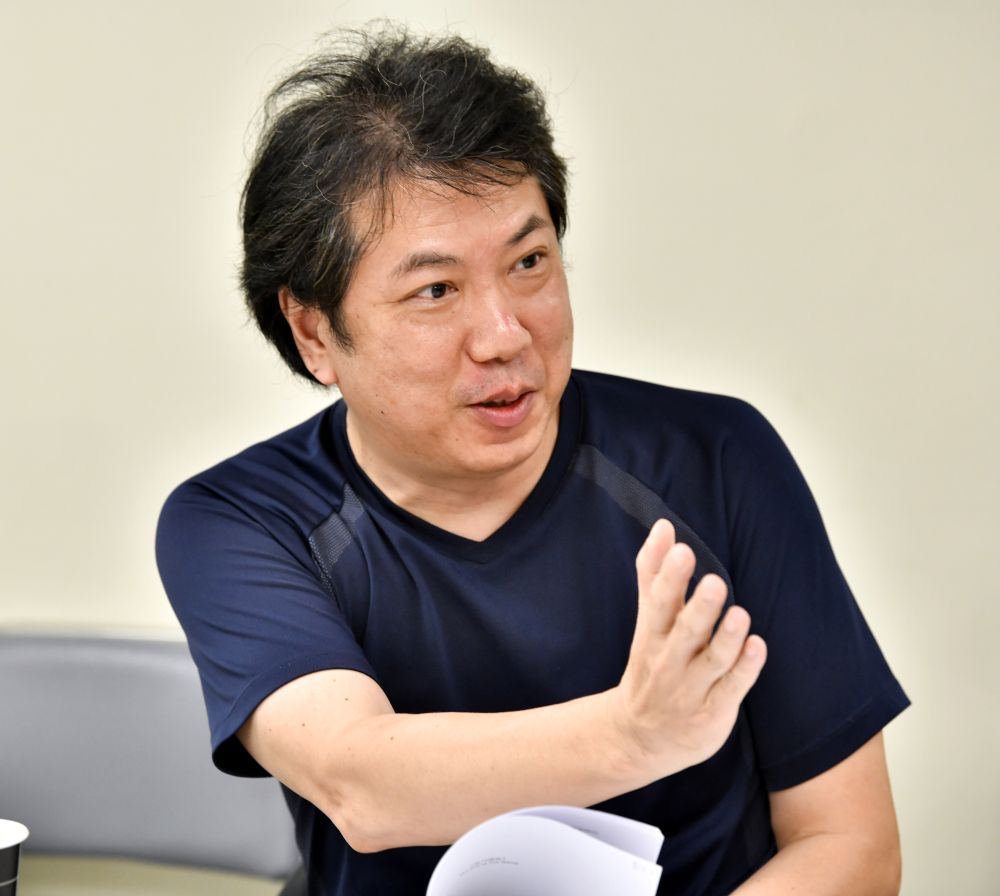
KENG Yi-Wei, born in 1969 in Taiwan, went to Prague to study Non-Verbal Theatre from 1997 to 1999 after studying philosophy. He returned to Taiwan in 1999 and began working in theatre alongside his work as a writer. In 2012, he became artistic director of the Taipei Arts Festival. His Axis Taipei & International Collaboration concept contributed to anchoring Taipei as a creative centre, introducing the latest trends in international theatre and presenting creative works from all over the world to the festival audience. The focus of his artistic work was and still is particularly on the promotion of German-Taiwanese cultural projects. Since 2018, KENG Yi-Wei has also been dramaturge at the National Kaohsiung Center for the Arts in southern Taiwan, one of the three most important theatres in the country. For 2023, he has invited the Berlin Schaubühne with their production Im Herzen der Gewalt. He is also co-curator of the Want to Dance festival in Taipei. From 2023, he will be responsible for the Tainan Arts Festival in southern Taiwan and thus provides access to German and international cultural content beyond the capital city. For his work to date, KENG received the Friendship Medal of the German Institute Taipei in 2017 and the Ordre des Arts et des Lettres of France in 2019.
Noah Willumsen|Director, Bertolt Brecht Archive, Academy of the Arts, Berlin
Noah Willumsen studied comparative literature, art history and philosophy in Pittsburgh (USA) and Berlin (Germany), and was a researcher in the DFG-Project “Literary and Epistemic History of Small Forms” at the Humboldt University of Berlin. He has been the director of the Bertolt Brecht Archive at the Academy of the Arts, Berlin, since 2024. In 2023, his collection of nearly 100 lost and forgotten interviews with Brecht (»Unsere Hoffnung heute ist die Krise«: Interviews 1926–1956) was published by Suhrkamp Verlag.
His research concerns the archival traces and journalistic interventions of theate eauthors and practitioners, including Brecht, Helene Weigel and Heiner Müller, and, more generally, the history of orality, the interview and the media of the former East Germany. His essays have appeared in Sinn und Form, Das Brecht-Jahrbuch, Bertolt Brecht in Context, Dreigroschenheft and Heiner Müllers KüstenLANDSCHAFTEN.
Sahar Rahimi|Artistic Director of Brechtfestival Augsburg
Sahar Rahimi, born in 1981in Tehran, is a director, author, performance artist and curator. Her work straddles the boundaries between theatre, performance, installation, and video. The focus of her work lies in collective, participatory, and inclusive contexts. She studied at the Institute for Applied Theatre Studies in Giessen and is co-founder of the performance group Monster Truck. Monster Truck has realized national and international projects, staged and performed in the independent scene and at municipal theatres, and received the prestigious Tabori Prize for its entire oeuvre.
As a solo artist, Sahar Rahimi has staged productions at Ballhaus Ost-Berlin, Theater Basel, Schauspielhaus Wien, and the Munich Kammerspiele.
Oliver Reese|Artistic Director of the Berliner Ensemble
Oliver Reese has been Artistic Director of the Berliner Ensemble since the 2017/18 season. Previously, he headed Schauspiel Frankfurt from 2009 to 2017. Born in 1964 in Schloss Neuhaus near Paderborn, Reese studied Modern German Literature and Theatre Studies in Munich and began his career as an assistant director before becoming a dramaturge at the Bayerisches Staatsschauspiel in 1989. He later served as chief dramaturge at the Ulm Theater and the Maxim Gorki Theater, and as chief dramaturge and deputy artistic director at the Deutsches Theater Berlin, where he was interim artistic director in 2008/09.
As a director, dramaturge, and author, Reese is particularly associated with biographical subjects and literary adaptations. Among his defining works are Bartsch, Kindermörder (1992), Emmy Göring an der Seite ihres Mannes (1994), Goebbels (2005), as well as stage adaptations of Günter Grass’s The Tin Drum (2015), Benjamin von Stuckrad-Barre’s Panikherz (2018), and Oscar Wilde’s De Profundis (2025). At the Berliner Ensemble, he combines this artistic signature with a clear focus on contemporary subjects and new dramatic writing by living authors.
CHEN Han-Jin |Musicologist
A musicologist who holds both a Master’s and a Doctorate in Musicology from the Sorbonne University in Paris. He was formerly a Professor in the Department of Music at National Taiwan Normal University, where he taught Western Music History, Music and Fine Arts, and other musicology courses. Since retiring from the faculty, he has dedicated himself to writing and public speaking.
His major works include: Ma Shui-long: The Musical Maverick, Discovering Beethoven, Berlioz: La Damnation de Faust, Is It Truly "Impressionist"? Debussy’s Chamber and Orchestral Music.
15:40-16:00|Galileo Galiei Programme
Initiated by theatre maker WANG Wei-Lien, this creative project centers on German playwright Bertolt Brecht’s play Life of Galileo. It encompasses a series of theatrical aesthetic practices and autonomous cultural actions, including performer-spectator research, collaborative performance learning, talent cultivation, establishing a creative base, text translation, and stage productions.
The core spirit of the G. Galileo Programme lies in the integrated development of science, philosophy, and art. The project is driven by two focal points: Brecht’s Life of Galileo and A Dictionary of Theatre Anthropology: The Secret Art of the Performer, edited by Eugenio Barba. Through the former, the programme engages in a holistic creative process, spanning from text translation to stage writing. Through the latter, it articulates fresh and dynamic concepts of performance and spectatorship, returning to the human being as the central subject, and fostering a performer-spectator relationship where perception, action, and reflection advance together.
✪Recap✪
From Life of Galileo to the I Ching_ Creation as Sustained Observation ▶Read More
Time: 15:40-16:00 (CST GMT+8), May 23 (Sat), 2026
Place: Studio 1, 11F, TPAC
Speaker:
WANG Wei-Lien|Host, Galileo Galiei Programme
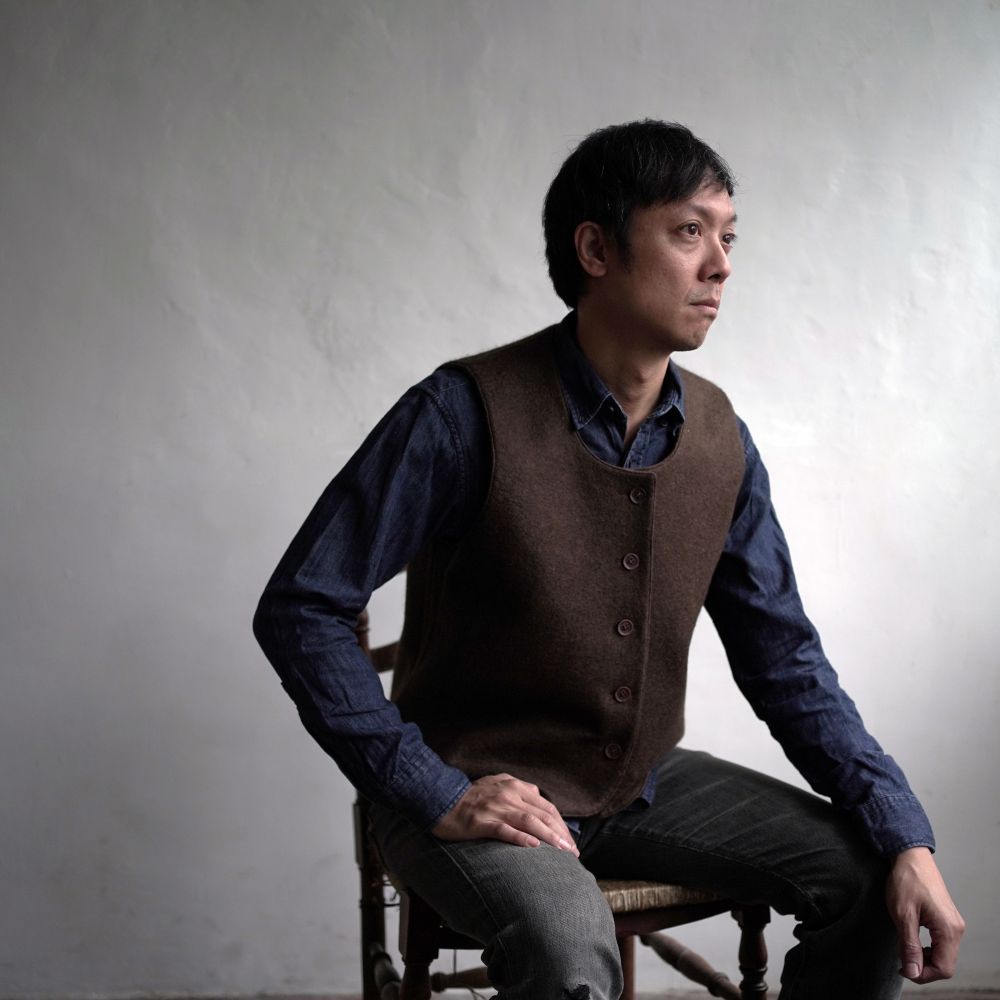
WANG Wei-Lien began his career in theatre in 1995. He graduated from NTU with a Master's in Drama and Theatre in 2004, and, at the same time, was selected for the first year of the Wanderer Project by the Cloud Gate Dance Foundation. Afterwards, he traveled to Japan to study butoh at the Kazuo Ohno Dance Studio. From 2000 to 2025, he has done over 60 plays, some of which are classics, such as Mother Courage and Her Children by Bertolt Brecht, Balcony and The Maids by Jean Genet, and Three Sisters by Anton Chekhov.
16:00-16:20|Dramaturgy and New Traditional Chinese Opera Productions: The Case of Yi-Shin Taiwanese Opera Troupe’s "Where is Mackie?"
Adapted from Brecht’s classic The Threepenny Opera, Where Is Mackie? will be discussed by its dramaturg, CHANG Chi-Feng, who draws on his practical experience in contemporary Traditional Chinese opera to explore how Brecht’s ideas have been carried forward and transformed in contemporary theatre, and how they have been reinterpreted in contemporary Taiwanese Traditional Chinese opera.
The discussion will also approach the subject through the relationship between Traditional Chinese opera and the dramaturg, looking at the role the dramaturg plays in new Traditional Chinese opera productions, and at how, through involvement in script development, the rehearsal process, and conversations around the work’s overall aesthetic direction, the dramaturg helps creators clarify the structure of the text, the relationships between characters, and the critical perspective of the piece, while serving as an important bridge between traditional Traditional Chinese opera and the language of contemporary theatre.
✪Recap✪
When Taiwanese Opera Demands Answers From The Threepenny Opera ▶Read More
Time: 16:00-16:20 (CST GMT+8), May 23 (Sat), 2026
Place: Studio 1, 11F, TPAC
Speaker:
CHANG Chi-Feng|Professor, Department of Theatre Arts, School of Theatre Arts, Taipei National University of the Arts
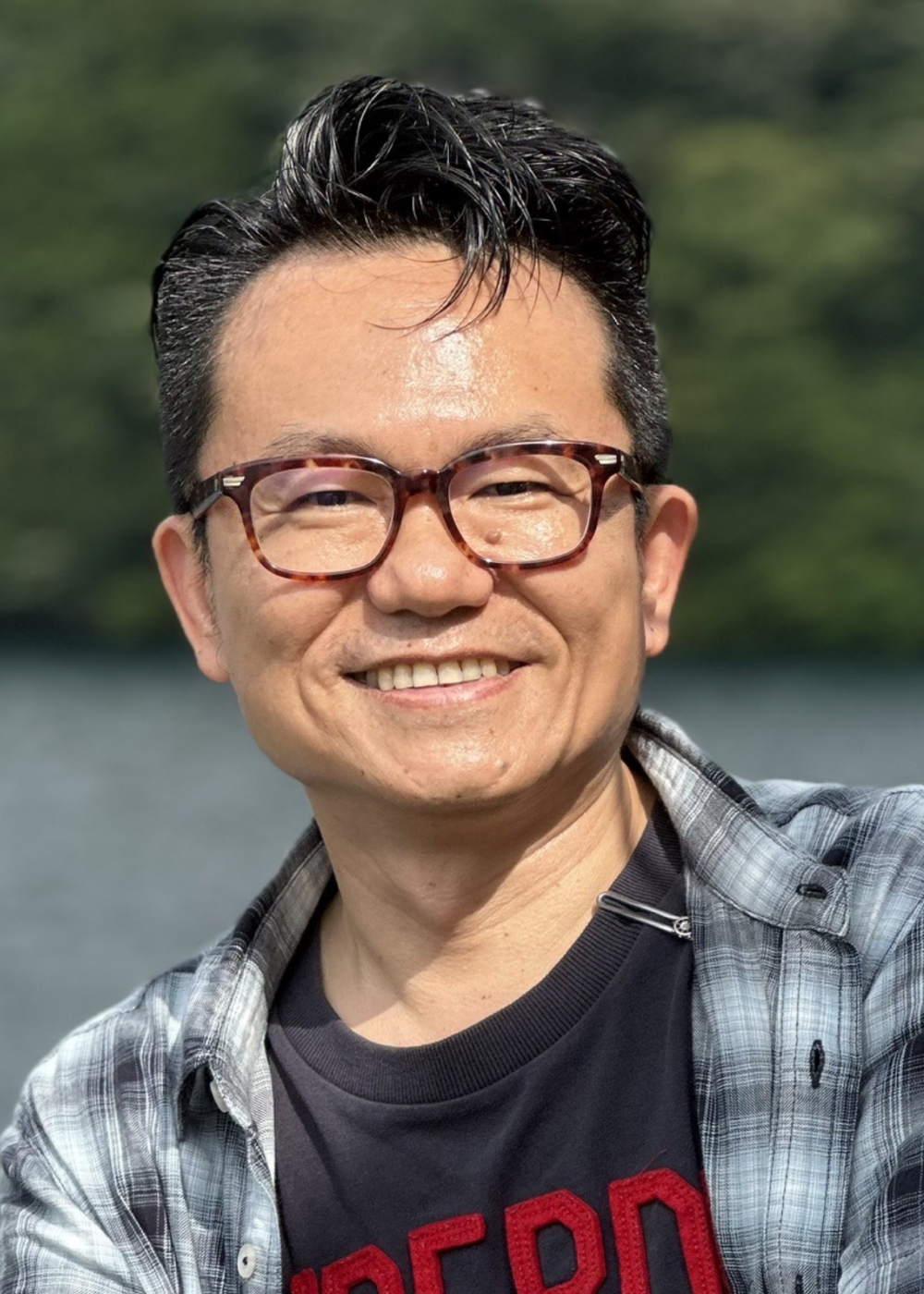
CHANG Chi-Feng, professor in the Department of Theatre Arts, Taipei National University of the Arts, PhD in Chinese Literature from National Cheng Kung University, focus on the development of Taiwanese traditional theatre after World War II. He is the author of several books, including Integration and Divergence: Observations on the Development of Taiwanese Traditional Theatre, Studies on Postwar Taiwanese Traditional Theatre Performance Versions, An Exploratory Study of New Concepts in Postwar Taiwanese Traditional Theatre Stage Design: Case Studies from the 1980s and 2000s, and Preliminary Studies on Festival Curation and Dramaturgy in Traditional Theatre, as well as numerous scholarly articles and performance reviews. He has served as Editor-in-Chief of Taipei Theatre Journal at TNUA, jury member of NCAF’s TAIWAN TOP program, and international juror and nominator for the Taishin Arts Award. In recent years, he has worked as curator for major platforms at the National Center for Traditional Arts and as dramaturg for new traditional theatre productions.
16:40-17:10|Staged Reading of "Where is Mackie?"
Where is Mackie? is adapted from Bertolt Brecht’s classic work The Threepenny Opera. Drawing on his practical experience in contemporary Traditional Chinese opera creation, dramaturg CHANG Chi-Feng of Where is Mackie? will explore the continuation and transformation of Brechtian thought in contemporary theatre, as well as how it has been reinterpreted and reimagined in contemporary Taiwanese Traditional Chinese opera.
The lecture will focus on the relationship between Traditional Chinese opera and dramaturgy, examining the role of the dramaturg in new Traditional Chinese opera productions. It will discuss how, through involvement in script development, the rehearsal process, and broader conversations on the overall aesthetic direction, the dramaturg helps creators clarify textual structure, character relationships, and the critical perspective of the work, thereby serving as an important bridge between traditional Traditional Chinese opera and the language of contemporary theatre.
Time: 16:40-17:10 (CST GMT+8), May 23 (Sat), 2026
Place: Studio 1, 11F, TPAC
Presented by:
Yi-Shin Taiwanese Opera Troupe
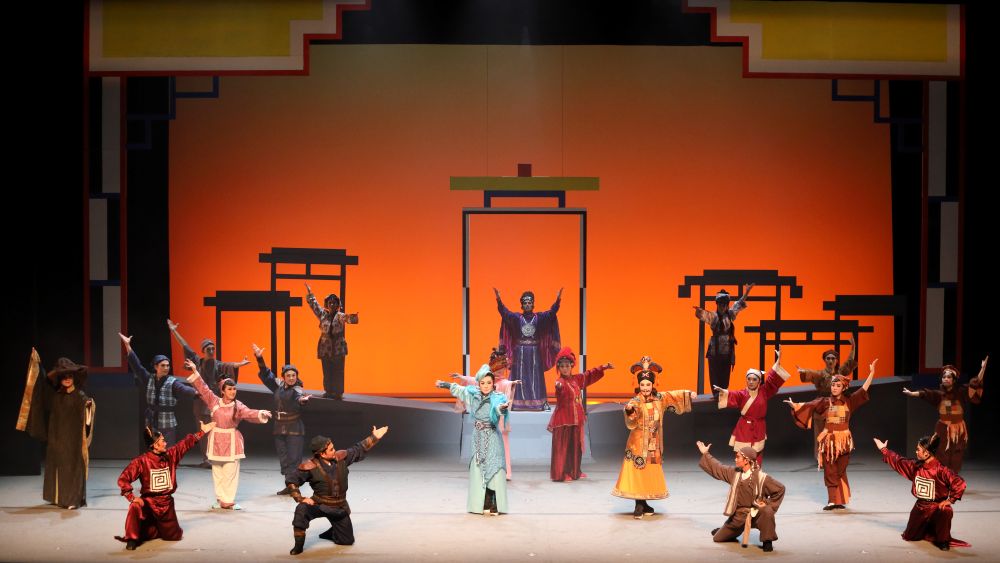
The Yi-Shin Taiwanese Opera Troupe is known for its great martial art performances. Under the leadership of Sun Ronghui, the troupe has caught the eye of the audience with a host of creative works, such as Duan Xiu, The Song Of Lotus, Hazardous Games around Hearts and Arrows, A Thousand Years, and Me, Myself and I. Yi-Shin has been promoting a new “romantic Taiwanese opera aesthetics” by fusing Taiwanese opera and literature. The results are widely recognized and have put the troupe on the shortlist of The Golden Melody Awards for Traditional Arts and Music and the Taishin Arts Award.
17:10-17:30|Panel Discussion & Q&A II
Bertolt Brecht’s influence extends far beyond Western drama, offering profound inspiration to the performing arts in Taiwan. This session focuses on the development and impact of Brechtian works within the Taiwanese context, comparing their diverse interpretations and practices across both Taiwanese and Western cultural landscapes.
✪Recap✪
Panel Discussion II — A Debate between Brecht, Galileo, and Judgement ▶Read More
Time: 17:10-17:30 (CST GMT+8), May 23 (Sat), 2026
Place: Studio 1, 11F, TPAC
Moderator: KENG Yi-Wei
Panelist:Sahar Rahimi, Oliver Reese、 CHEN Han-Jin, CHANG Chi-Feng, WANG Wei-Lien, Yi-Shin Taiwanese Opera Troupe
KENG Yi-Wei |Dramaturge, National Kaohsiung Center for the Arts
KENG Yi-Wei, born in 1969 in Taiwan, went to Prague to study non-verbal theatre from 1997 to 1999 after studying philosophy. He returned to Taiwan in 1999 and began working in theatre alongside his work as a writer. In 2012, he became artistic director of the Taipei Arts Festival. His Axis Taipei & International Collaboration concept contributed to anchoring Taipei as a creative centre, introducing the latest trends in international theatre and presenting creative works from all over the world to the festival audience. The focus of his artistic work was and still is particularly on the promotion of German-Taiwanese cultural projects. Since 2018, KENG Yi-Wei has also been dramaturge at the National Kaohsiung Center for the Arts in southern Taiwan, one of the three most important theatres in the country. For 2023, he has invited the Berlin Schaubühne with their production "Im Herzen der Gewalt". He is also co-curator of the Want to Dance festival in Taipei. From 2023, he will be responsible for the Tainan Arts Festival in southern Taiwan and thus provides access to German and international cultural content beyond the capital city. For his work to date, KENG received the Friendship Medal of the German Institute Taipei in 2017 and the Ordre des Arts et des Lettres of France in 2019.
Sahar Rahimi|Artistic Director of Brechtfestival Augsburg
Sahar Rahimi, born in 1981in Tehran, is a director, author, performance artist and curator. Her work straddles the boundaries between theatre, performance, installation, and video. The focus of her work lies in collective, participatory, and inclusive contexts. She studied at the Institute for Applied Theatre Studies in Giessen and is co-founder of the performance group Monster Truck. Monster Truck has realized national and international projects, staged and performed in the independent scene and at municipal theatres, and received the prestigious Tabori Prize for its entire oeuvre.
As a solo artist, Sahar Rahimi has staged productions at Ballhaus Ost-Berlin, Theater Basel, Schauspielhaus Wien, and the Munich Kammerspiele.
Oliver Reese|Artistic Director of the Berliner Ensemble
Oliver Reese has been Artistic Director of the Berliner Ensemble since the 2017/18 season. Previously, he headed Schauspiel Frankfurt from 2009 to 2017. Born in 1964 in Schloss Neuhaus near Paderborn, Reese studied Modern German Literature and Theatre Studies in Munich and began his career as an assistant director before becoming a dramaturge at the Bayerisches Staatsschauspiel in 1989. He later served as chief dramaturge at the Ulm Theater and the Maxim Gorki Theater, and as chief dramaturge and deputy artistic director at the Deutsches Theater Berlin, where he was interim artistic director in 2008/09.
As a director, dramaturge, and author, Reese is particularly associated with biographical subjects and literary adaptations. Among his defining works are Bartsch, Kindermörder (1992), Emmy Göring an der Seite ihres Mannes (1994), Goebbels (2005), as well as stage adaptations of Günter Grass’s The Tin Drum (2015), Benjamin von Stuckrad-Barre’s Panikherz (2018), and Oscar Wilde’s De Profundis (2025). At the Berliner Ensemble, he combines this artistic signature with a clear focus on contemporary subjects and new dramatic writing by living authors.
CHANG Chi-Feng|Professor, Department of Theatre Arts, School of Theatre Arts, Taipei National University of the Arts
CHANG Chi-Feng, professor in the Department of Theatre Arts, Taipei National University of the Arts, PhD in Chinese Literature from National Cheng Kung University, focus on the development of Taiwanese traditional theatre after World War II. He is the author of several books, including Integration and Divergence: Observations on the Development of Taiwanese Traditional Theatre, Studies on Postwar Taiwanese Traditional Theatre Performance Versions, An Exploratory Study of New Concepts in Postwar Taiwanese Traditional Theatre Stage Design: Case Studies from the 1980s and 2000s, and Preliminary Studies on Festival Curation and Dramaturgy in Traditional Theatre, as well as numerous scholarly articles and performance reviews. He has served as Editor-in-Chief of Taipei Theatre Journal at TNUA, jury member of NCAF’s TAIWAN TOP program, and international juror and nominator for the Taishin Arts Award. In recent years, he has worked as curator for major platforms at the National Center for Traditional Arts and as dramaturg for new traditional theatre productions.
WANG Wei-Lien|Host, Galileo Galiei Programme
WANG Wei-Lien began his career in theatre in 1995. He graduated from NTU with a Master's in Drama and Theatre in 2004, and, at the same time, was selected for the first year of the Wanderer Project by the Cloud Gate Dance Foundation. Afterwards, he traveled to Japan to study butoh at the Kazuo Ohno Dance Studio. From 2000 to 2025, he has done over 60 plays, some of which are classics, such as Mother Courage and Her Children by Bertolt Brecht, Balcony and The Maids by Jean Genet, and Three Sisters by Anton Chekhov.
Yi-Shin Taiwanese Opera Troupe
The Yi-Shin Taiwanese Opera Troupe is known for its great martial art performances. Under the leadership of Sun Ronghui, the troupe has caught the eye of the audience with a host of creative works, such as Duan Xiu, The Song Of Lotus, Hazardous Games around Hearts and Arrows, A Thousand Years, and Me, Myself and I. Yi-Shin has been promoting a new “romantic Taiwanese opera aesthetics” by fusing Taiwanese opera and literature. The results are widely recognized and have put the troupe on the shortlist of The Golden Melody Awards for Traditional Arts and Music and the Taishin Arts Award.
5/24 (Sun) DAY 2
10:30-12:30|Workshop 1| Poetic Poo - a Personal-Political Approach to Performance Making
This workshop is grounded in the idea that “the personal is political.” Through performance-making practices, participants will be guided to re-examine the marginal materials embedded in everyday life and personal experience. The workshop focuses on experiences that are often overlooked, suppressed, or dismissed as insignificant, and explores how they can be transformed into poetic and political creative resources.
“Poetic Poo” uses humor and absurdity as entry points to unsettle established aesthetic and value systems. It further investigates how personal experiences marked by shame, or those that may seem trivial, can be translated into a performative language with universal and public significance. Through creative exercises and discussion, participants will learn how to distill materials such as experiences of failure, emotional repression, and social taboos into forms of expression that carry both theatrical tension and critical force, and in turn develop their own distinctive artistic perspectives.
Time: 10:30-12:30(CST GMT+8), May 24 (Sun), 2026
Place: Studio 4, 11F, TPAC
Speaker:
Sahar Rahimi|Artistic Director of Brechtfestival Augsburg
Sahar Rahimi, born in 1981in Tehran, is a director, author, performance artist and curator. Her work straddles the boundaries between theatre, performance, installation, and video. The focus of her work lies in collective, participatory, and inclusive contexts. She studied at the Institute for Applied Theatre Studies in Giessen and is co-founder of the performance group Monster Truck. Monster Truck has realized national and international projects, staged and performed in the independent scene and at municipal theatres, and received the prestigious Tabori Prize for its entire oeuvre.
As a solo artist, Sahar Rahimi has staged productions at Ballhaus Ost-Berlin, Theater Basel, Schauspielhaus Wien, and the Munich Kammerspiele.
10:30-12:30|Workshop 2|Aiming for the Present - A Workshop on Dramaturgy and Playwriting
The workshop is based on the idea that both audiences and theatre-makers are trying to catch up on stage with the unsettling realities of our time, and that this has consequences for writing and directing. It will explore this through texts by contemporary writers as well as video excerpts from recent productions drawn from the everyday work of the Berliner Ensemble.
Time: 10:30-12:30 (CST GMT+8), May 24 (Sun), 2026
Place: Studio 5, 11F, TPAC
Speaker:
Oliver Reese|Artistic Director of the Berliner Ensemble
Oliver Reese has been Artistic Director of the Berliner Ensemble since the 2017/18 season. Previously, he headed Schauspiel Frankfurt from 2009 to 2017. Born in 1964 in Schloss Neuhaus near Paderborn, Reese studied Modern German Literature and Theatre Studies in Munich and began his career as an assistant director before becoming a dramaturge at the Bayerisches Staatsschauspiel in 1989. He later served as chief dramaturge at the Ulm Theater and the Maxim Gorki Theater, and as chief dramaturge and deputy artistic director at the Deutsches Theater Berlin, where he was interim artistic director in 2008/09.
As a director, dramaturge, and author, Reese is particularly associated with biographical subjects and literary adaptations. Among his defining works are Bartsch, Kindermörder (1992), Emmy Göring an der Seite ihres Mannes (1994), Goebbels (2005), as well as stage adaptations of Günter Grass’s The Tin Drum (2015), Benjamin von Stuckrad-Barre’s Panikherz (2018), and Oscar Wilde’s De Profundis (2025). At the Berliner Ensemble, he combines this artistic signature with a clear focus on contemporary subjects and new dramatic writing by living authors.
13:30-14:40|Safe Spaces - Unsafe Art - On Political Theatre
This lecture will focus on the friction and tension between necessary institutional transformation and radical artistic freedom, and further ask whether the demand for safety is merely a response to outdated power structures, or whether it may also, in turn, constrain theatre’s transformative force. Are artistic disturbance and institutional care really incapable of coexisting?
We will also discuss whether a theatre can protect its structures and working conditions without sacrificing its aesthetic impact and political risk.
✪Recap✪
The debate on the politics of contemporary theater in an age of schism ▶Read More
Time: 13:30-14:10(CST GMT+8), May 24 (Sun), 2026
Place: Studio 1, 11F, TPAC
Speaker:
Sahar Rahimi|Artistic Director of Brechtfestival Augsburg
Sahar Rahimi, born in 1981in Tehran, is a director, author, performance artist and curator. Her work straddles the boundaries between theatre, performance, installation, and video. The focus of her work lies in collective, participatory, and inclusive contexts. She studied at the Institute for Applied Theatre Studies in Giessen and is co-founder of the performance group Monster Truck. Monster Truck has realized national and international projects, staged and performed in the independent scene and at municipal theatres, and received the prestigious Tabori Prize for its entire oeuvre.
As a solo artist, Sahar Rahimi has staged productions at Ballhaus Ost-Berlin, Theater Basel, Schauspielhaus Wien, and the Munich Kammerspiele.
14:10-14:40|The Author as Copyright Holder: Plagiarism and Death at the Brecht Archive
At the end of 2026, with the 70th anniversary of Brecht’s death, his works will no longer stand under European copyright: an excellent moment to reflect on his own relationship to credit, payment and authorial control. From an archival perspective, Noah Willumsen will explore the literary, financial and political aspects of Brecht’s often collaborative authorship in a capitalist system.
✪Recap✪
Who owns the text_ Rethinking the _author_ through Brecht_s lens ▶Read More
Time: 14:10-14:40 (CST GMT+8), May 24 (Sun), 2026
Place: Studio 1, 11F, TPAC
Speaker:
Noah Willumsen|Director, Bertolt Brecht Archive, Academy of the Arts, Berlin
Noah Willumsen studied comparative literature, art history and philosophy in Pittsburgh (USA) and Berlin (Germany), and was a researcher in the DFG-Project “Literary and Epistemic History of Small Forms” at the Humboldt University of Berlin. He has been the director of the Bertolt Brecht Archive at the Academy of the Arts, Berlin, since 2024. In 2023, his collection of nearly 100 lost and forgotten interviews with Brecht (»Unsere Hoffnung heute ist die Krise«: Interviews 1926–1956) was published by Suhrkamp Verlag.
His research concerns the archival traces and journalistic interventions of theater authors and practitioners, including Brecht, Helene Weigel and Heiner Müller, and, more generally, the history of orality, the interview and the media of the former East Germany. His essays have appeared in Sinn und Form, Das Brecht-Jahrbuch, Bertolt Brecht in Context, Dreigroschenheft and Heiner Müllers KüstenLANDSCHAFTEN.
14:40-15:00|Panel Discussion & Q&A III
Building on the first two lectures, this panel discussion will move from the past to the present to consider how Brecht’s works and theatrical ideas are understood, interpreted, and staged today. It will also reflect on how audiences engage with the political dimensions of his work, and what it means to think of Brecht as an “author.”
✪Recap✪
Panel Discussion III — Why does theater remain significant_ From Brecht to modern day_ How theater confronts an age of schism ▶Read More
Time: 14:40-15:00 (CST GMT+8), May 24 (Sun), 2026
Place: Studio 1, 11F, TPAC
Moderator: KENG Yi-Wei
Panelist: Noah Willumsen, Sahar Rahimi
KENG Yi-Wei|Dramaturge, National Kaohsiung Center for the Arts
KENG Yi-Wei, born in 1969 in Taiwan, went to Prague to study non-verbal theatre from 1997 to 1999 after studying philosophy. He returned to Taiwan in 1999 and began working in theatre alongside his work as a writer. In 2012, he became artistic director of the Taipei Arts Festival. His Axis Taipei & International Collaboration concept contributed to anchoring Taipei as a creative centre, introducing the latest trends in international theatre and presenting creative works from all over the world to the festival audience. The focus of his artistic work was and still is particularly on the promotion of German-Taiwanese cultural projects. Since 2018, KENG Yi-Wei has also been dramaturge at the National Kaohsiung Center for the Arts in southern Taiwan, one of the three most important theatres in the country. For 2023, he has invited the Berlin Schaubühne with their production "Im Herzen der Gewalt". He is also co-curator of the Want to Dance festival in Taipei. From 2023, he will be responsible for the Tainan Arts Festival in southern Taiwan and thus provides access to German and international cultural content beyond the capital city. For his work to date, KENG received the Friendship Medal of the German Institute Taipei in 2017 and the Ordre des Arts et des Lettres of France in 2019.
Noah Willumsen|Director, Bertolt Brecht Archive, Academy of the Arts, Berlin
Noah Willumsen studied comparative literature, art history and philosophy in Pittsburgh (USA) and Berlin (Germany), and was a researcher in the DFG-Project “Literary and Epistemic History of Small Forms” at the Humboldt University of Berlin. He has been the director of the Bertolt Brecht Archive at the Academy of the Arts, Berlin, since 2024. In 2023, his collection of nearly 100 lost and forgotten interviews with Brecht (»Unsere Hoffnung heute ist die Krise«: Interviews 1926–1956) was published by Suhrkamp Verlag.
His research concerns the archival traces and journalistic interventions of theater authors and practitioners, including Brecht, Helene Weigel and Heiner Müller, and, more generally, the history of orality, the interview and the media of the former East Germany. His essays have appeared in Sinn und Form, Das Brecht-Jahrbuch, Bertolt Brecht in Context, Dreigroschenheft and Heiner Müllers KüstenLANDSCHAFTEN.
Sahar Rahimi|Artistic Director of Brechtfestival Augsburg
Sahar Rahimi, born in 1981in Tehran, is a director, author, performance artist and curator. Her work straddles the boundaries between theatre, performance, installation, and video. The focus of her work lies in collective, participatory, and inclusive contexts. She studied at the Institute for Applied Theatre Studies in Giessen and is co-founder of the performance group Monster Truck. Monster Truck has realized national and international projects, staged and performed in the independent scene and at municipal theatres, and received the prestigious Tabori Prize for its entire oeuvre.
As a solo artist, Sahar Rahimi has staged productions at Ballhaus Ost-Berlin, Theater Basel, Schauspielhaus Wien, and the Munich Kammerspiele.
Partner