Rebellion and Rebirth of Contemporary Nigerian Dance Aesthetics
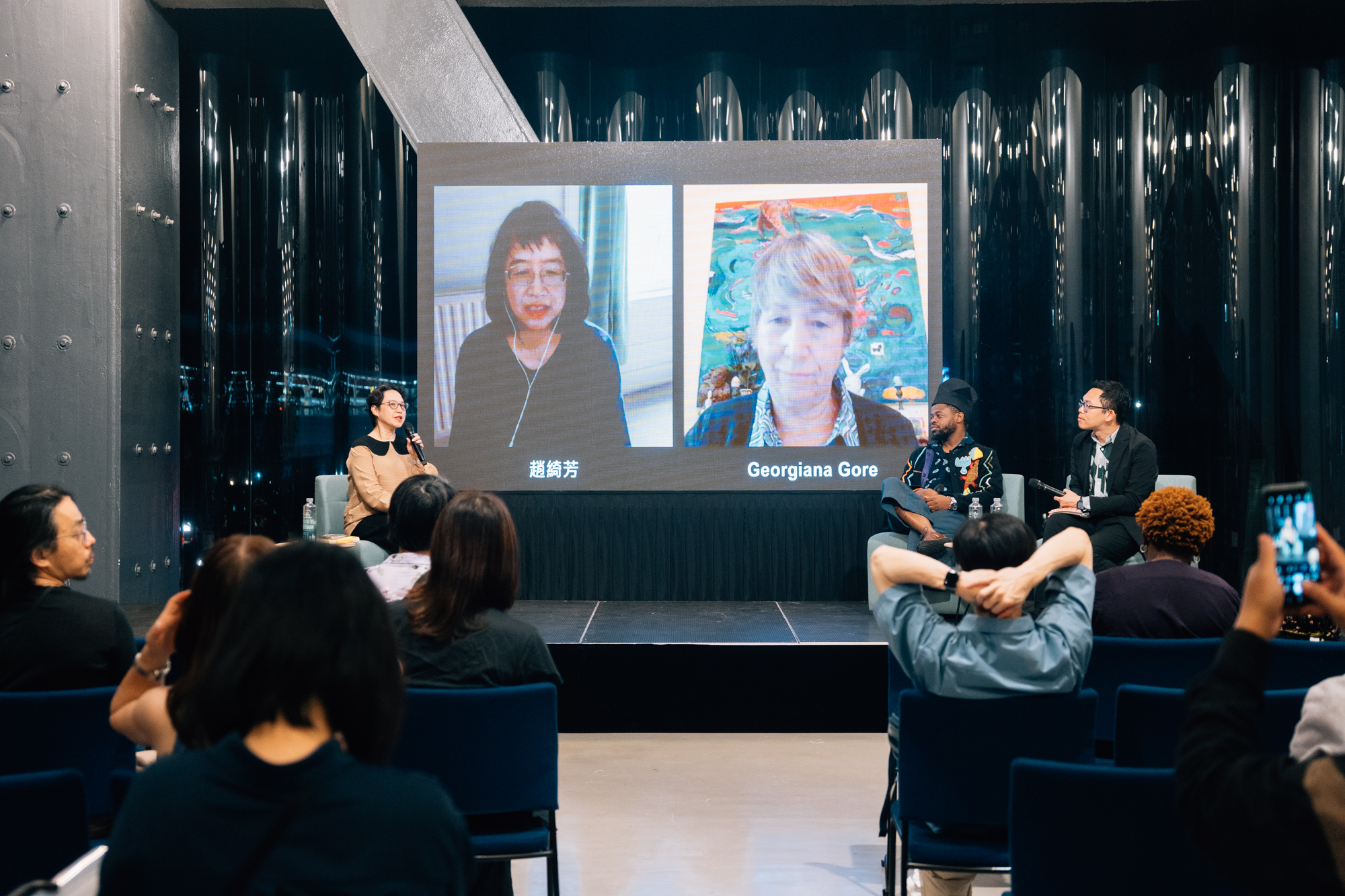
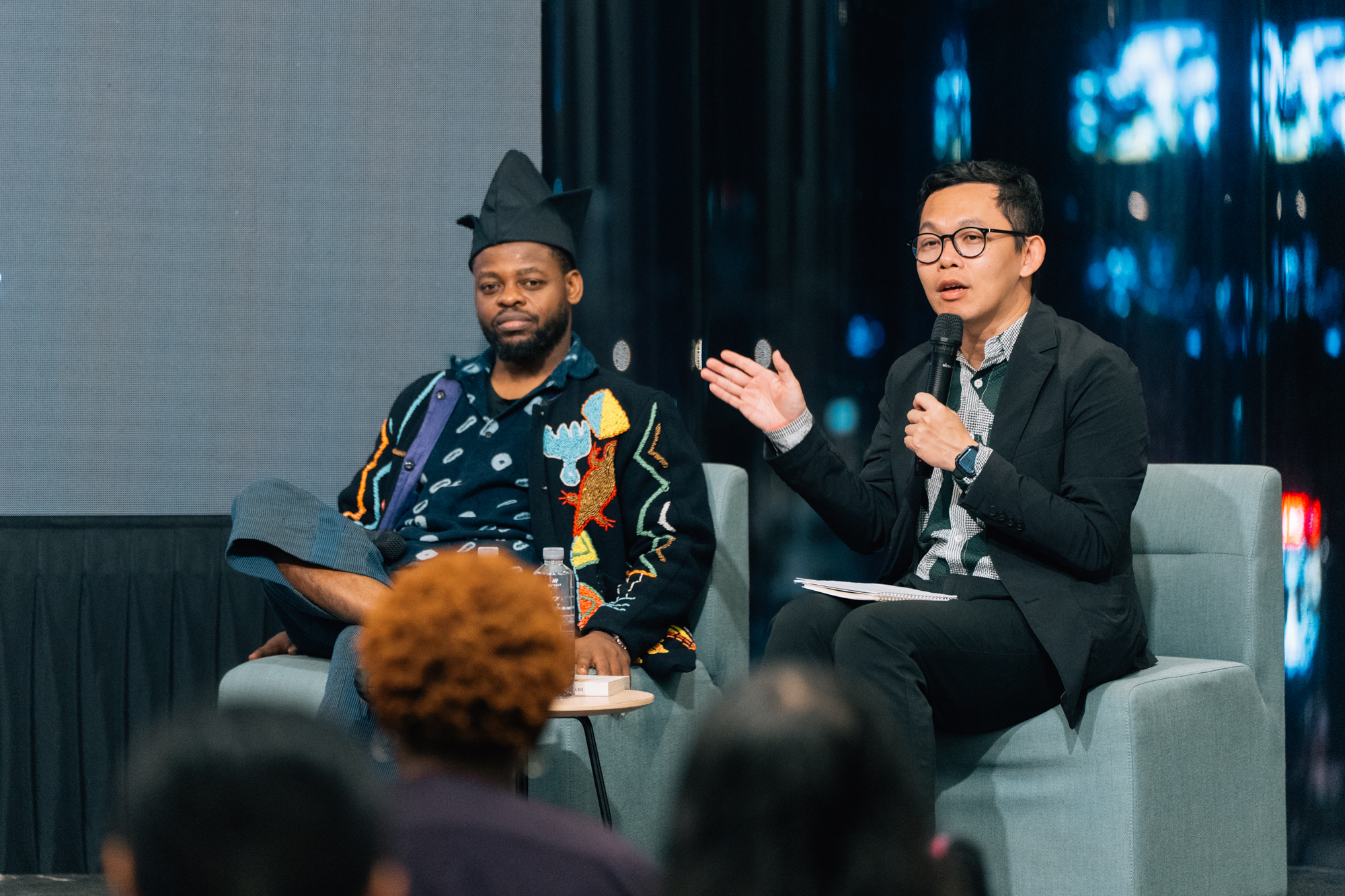
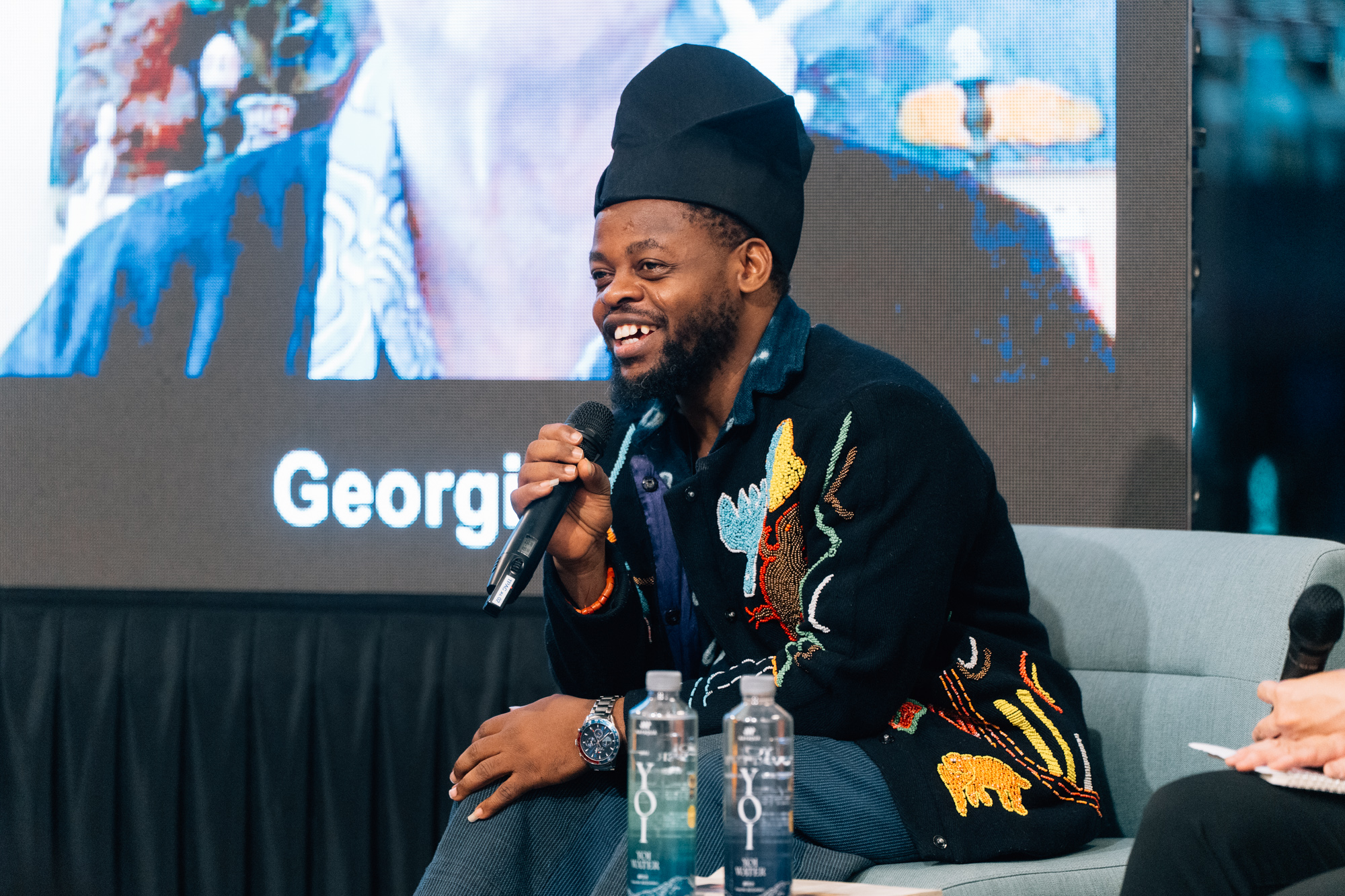
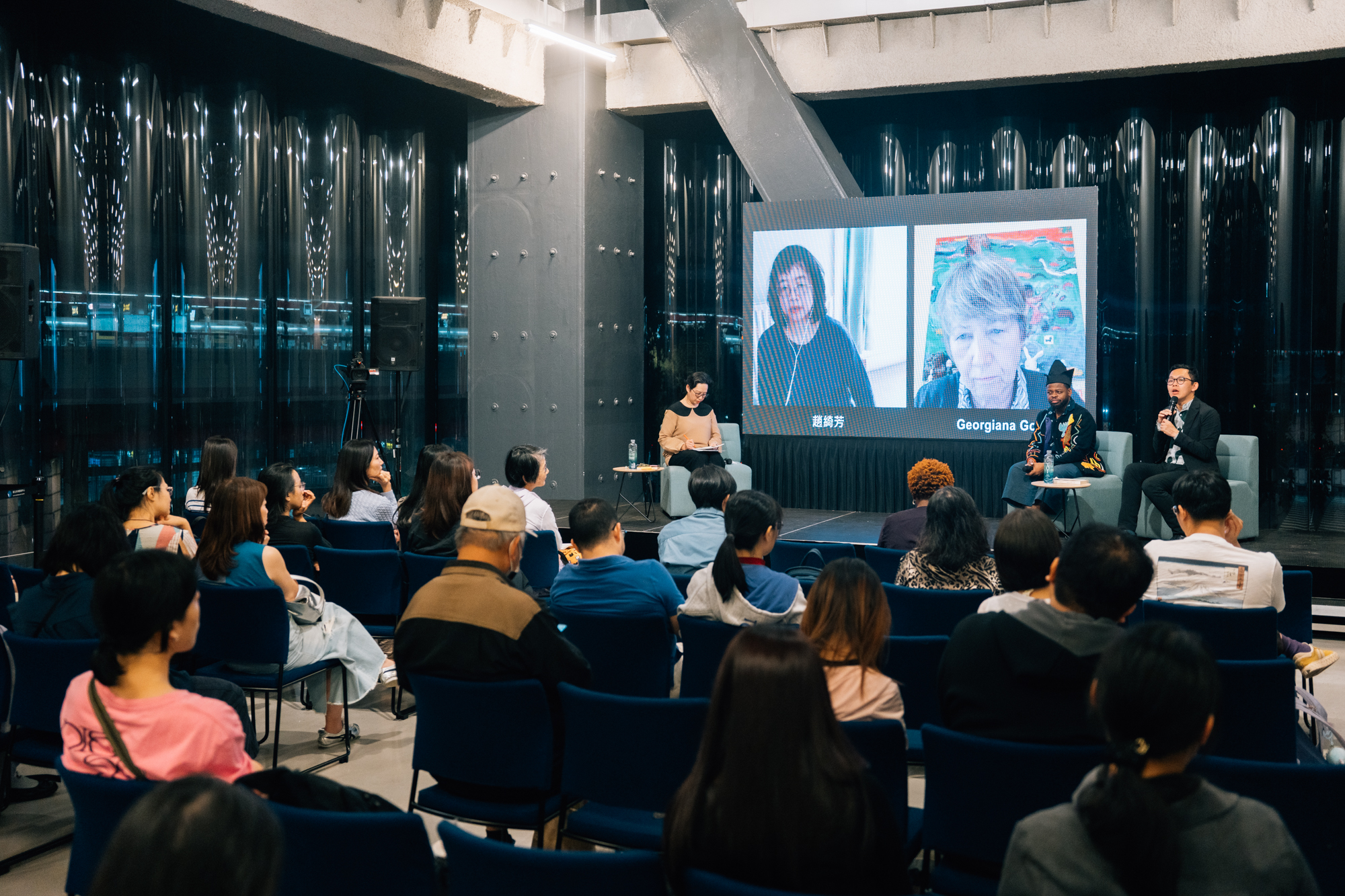
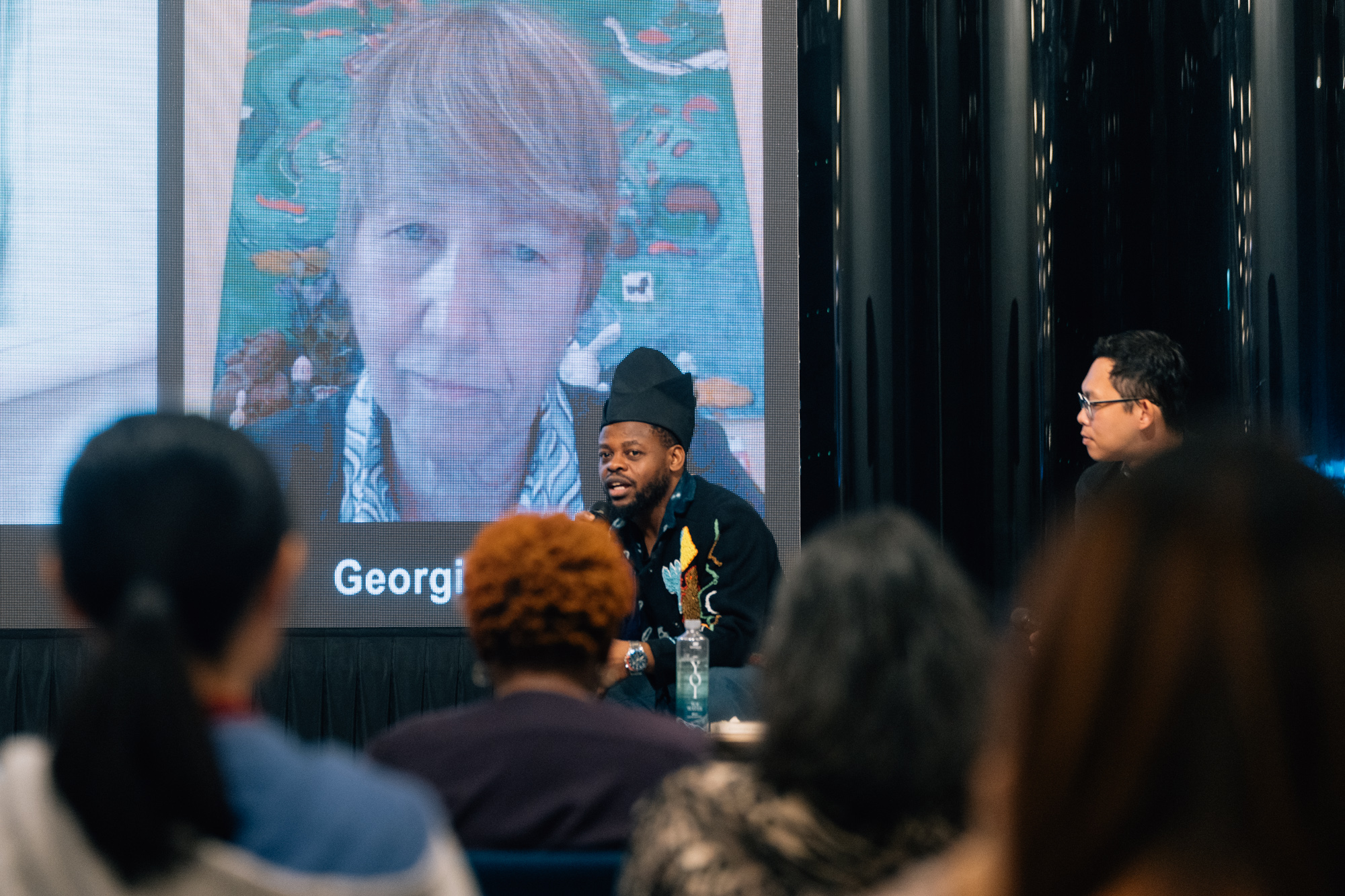
Why is there reincarnation? For this forum, moderated by Professor Lin Ya-Ting, Nigerian choreographer Qudus Onikeku and Professor Chao Chi-Fang, an expert on the anthropology of dance, were invited to serve as panelists. In addition, Professor Chao asked Georgiana Gore, a British anthropologist familiar with Nigerian culture, to join the discussion online. During this forum, they explored the creative thinking behind the vibrant and dynamic production Re:INCARNATION.
Starting point: Lagos
In the Yorùbá culture, the concept of time is a non-linear continuous loop and there are no fixed or rigid rituals. Instead, they evolve over time, constantly accumulating more and new meanings. During the 90-minute performance of Re:INCARNATION, life, death, and rebirth are repeatedly embodied in a myriad of forms. When asked about the environment in which this work was nourished, Onikeku said that he was born and raised in Lagos. The first time he left that city was at the age of 17. A few years later, at the age of 20, he moved to France to study. Lagos is a megacity with a population of 20 million and is both modern and filled with African culture. “Unlike Johannesburg, Lagos is not a city in which there is an awareness of ‘Blackness.’ Blackness is a construct that has only appeared to create a contrast with the existence of ‘Whiteness.’ So, although Lagos is one of the ‘Blackest’ cities on earth, it has never considered itself ‘Black.’”
Onikeku is aware of his rich cultural heritage. He spent time in Europe due to a desire to explore and fulfill his sense of curiosity. It wasn’t until he was truly “in another place,” that he witnessed differing ways of interaction between himself and others and realized what it truly meant to be Black and born in a city like Lagos. Not everyone is endowed with the same innate energy, clamor, pride, and restlessness and these have formed the foundation of his artistic career.
Physical memories and reincarnation
Professor Gore said that what is particularly interesting about this work is that it is essentially a narrative about traditional values, beliefs, and spirituality, yet there are almost no easily recognizable traditional movements. Onikeku responded that his primary concern was not Yorùbá culture or Lagos, but the human body and its capacity to carry memories. He also shared that this exploration was inspired by his observations of dance videos posted by young people on social media platforms. Although they had no traditional cultural training, it was clear that in their bodies was a spirit of tradition. The question of how this could be possible piqued his curiosity.
In the Yorùbá culture, there is a belief in reincarnation. If rebirth signals the endpoint of death, how should we understand the body? Since the soul that resides in the body is eternal, but the physical body is temporary, how can dance help to reconcile the relationship between the soul and the body? This was the starting point for Onikeku in thinking about reincarnation, with Re:INCARNATION becoming the title of this work and once again embodied. Transcending personal life experience, the concept of a single reincarnation, and memories of time and space are at the core of his choreography. “My exploration of the body is more like an excavation. What can we remember? What can we re-summon?”
Performance (Ìrán), memory (Ìrántí)
In the Yorùbá language, the word for performance is Ìrán. The root of this word is Ìrántí, which means memory or remembering. Whether a show or a street brawl, anything that captures and keeps the attention is a performance. But what is the association with memory? What exactly is remembered after seeing a great performance? In the Yorùbá culture, people are reborn if they have unfinished business. Upon being reborn, they forget why they came. Watching a great performance brings relaxation, an escape from daily worries, and the start of internal adjustment. When the body and performance form a certain kind of connection, it’s as if finding that part that was forgotten during the process of rebirth.
Youth culture and global bodies
In addition to the body’s capacity to carry memories, Re:INCARNATION also touches upon youth culture. Onikeku pointed out that in 2026, regardless of where they are – in Taiwan, France, the US, or Africa — people are experiencing a loss of roots and culture. At the same time, in terms of the ways that young people connect with one another, youth culture is becoming increasingly globalized. He believes that people can bring a personal touch to the “global youth culture.” As a choreographer from a specific place, his responsibility is to add what young people in Lagos, Nigeria are doing to a global archive. For him, the most important way of sharing this with the world is to capture it, create a theatrical work about it, and tour that work, to enable these bodies to encounter other bodies in different places.