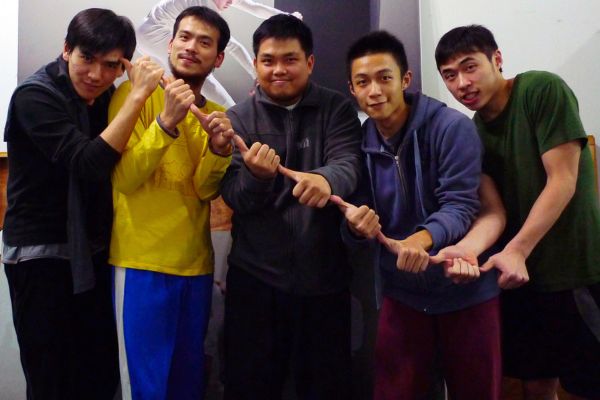
(Founding Administrative Advisor and Company Manager, HORSE)
A Rehearsal Space Built by Hand
Back in the days when people still needed to explain “驫” by referencing the more familiar homophone “飆,” the group was often mistakenly called “the Three Horses Dance Company,” since “驫” is composed of the character “馬” (horse).
Every time he heard this, CHEN Wu-Kang could not help but correct them: “It’s HORSE Dance Theater, not a dance company, nor a dance ensemble.” Even after years of explanation, some still could not get it right.
In its early days, the most well-known story about HORSE was not a dance piece, but a rehearsal space.
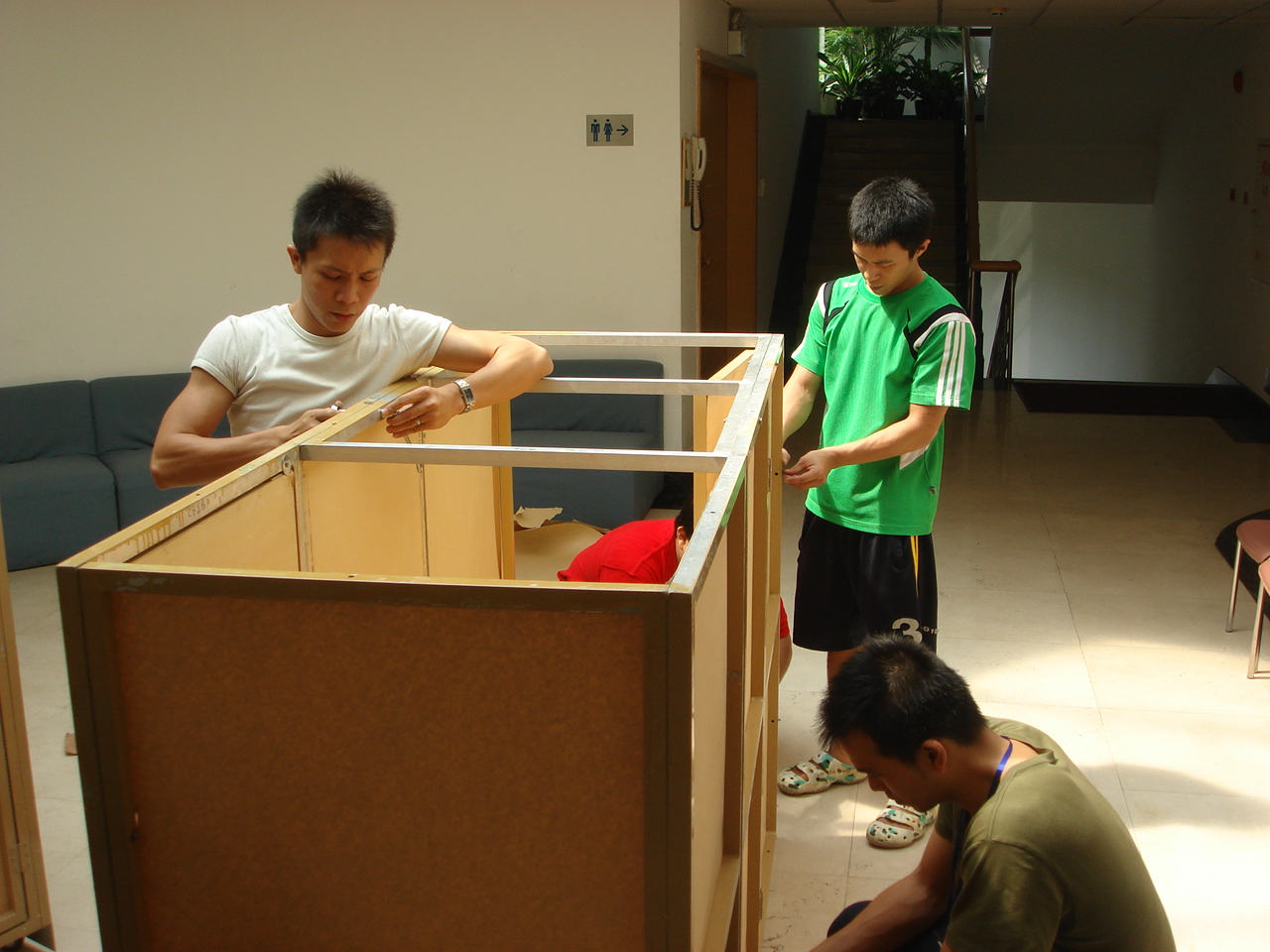
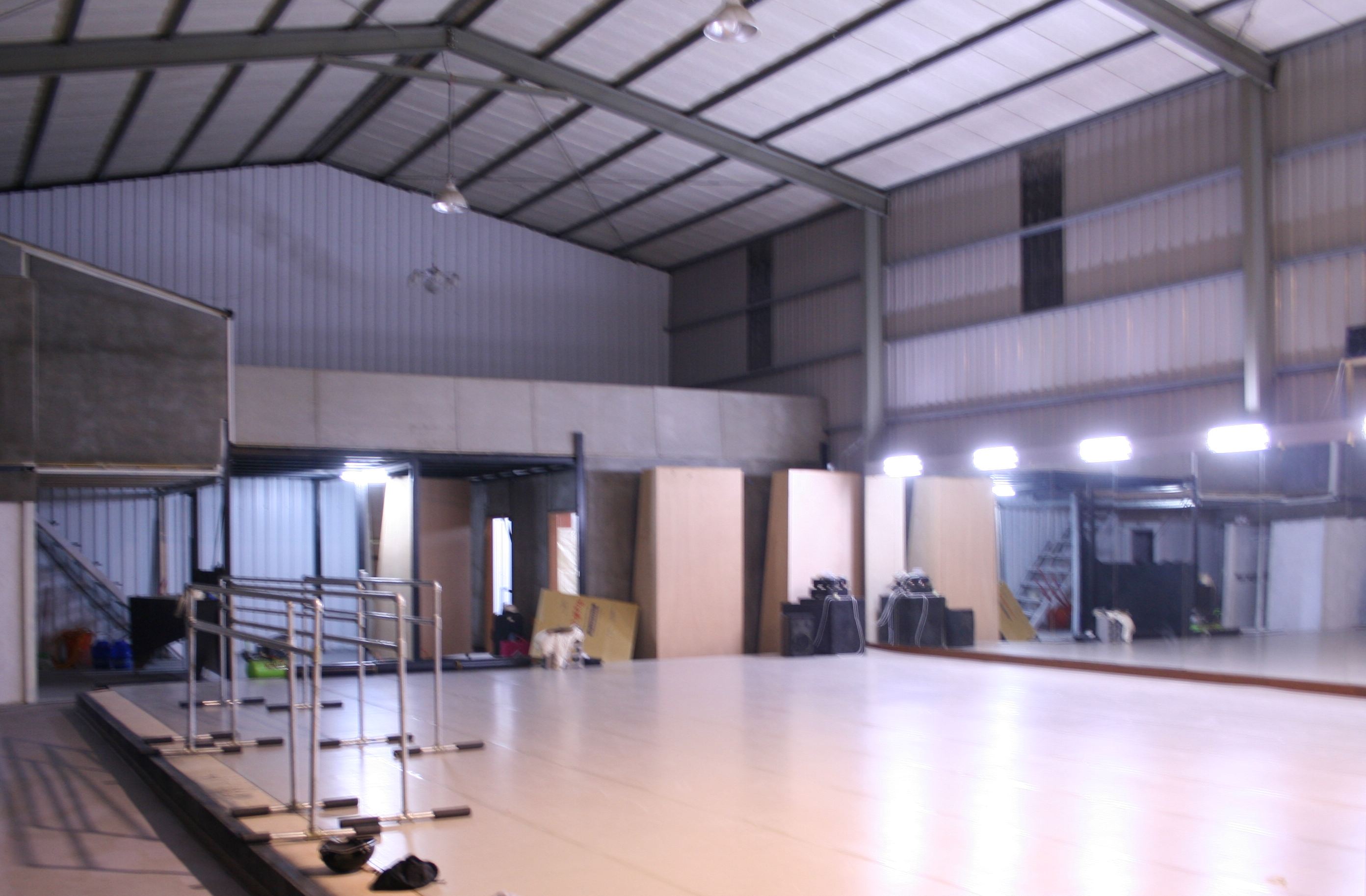
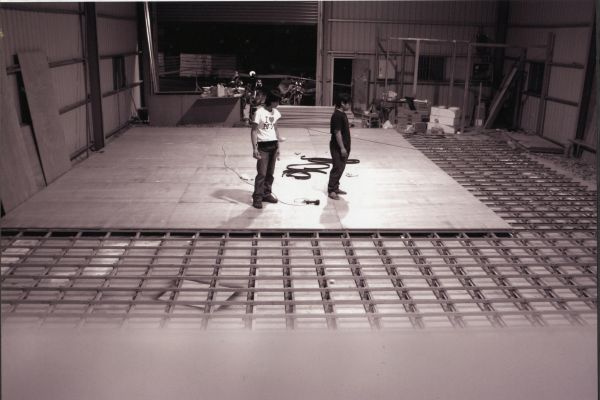
At that time, a group of dancers who had just graduated from school rented a corrugated metal warehouse in Banqiao, planning to transform it into a rehearsal studio. With very limited funds and no construction crew, everything was done under one principle: cost-saving. They consulted cement workers and carpenters, then went back to study materials and structural methods on their own. A dance floor supported by 1,600 wooden posts, partition walls, restrooms, showers, and a mezzanine level—all was built by their own hands.
As the reforming entered its later stages, their juniors from the dance department at National Taiwan University of Arts would come by after class to help. Some carried materials, some held wooden panels in place, and others worked with tools alongside the seniors.
A single ballet barre would normally cost around NT$10,000, and SU Wei-Chia welded his own using water pipes, bringing the cost down to just NT$1,500 per barre. As the space gradually took shape, the once-empty warehouse slowly became a rehearsal studio.
Four months later, a rehearsal space of about 400 square meters was finally completed. On the day it was finished, many people in the dance community were astonished: “You really built this yourselves?”
During the construction period, CHEN Wu-Kang, who was still dancing in New York at the time, could only participate in the discussions over the phone. By the time he returned to Taiwan, the rehearsal studio was already complete. Later, he recalled that when everyone first stepped onto the floor, they were exhilarated that they ran and jumped, flipped and rolled. At that moment, HORSE finally had a home of its own.
Before that, rehearsals had always felt like a game of musical chairs. One day they would rent this place, the next day they would move to another; on unlucky days, they could only wait for a free slot after ten at night, or grit their teeth and pay to rent a studio. CHENG Tsung-Lung once could not find any rehearsal space and could only rehearse in the small fitness room of his apartment building, which was less than 33 square meters.
Eventually, ideals must face reality. This rehearsal space that felt like a dream could no longer make ends meet and had to close, and the dance company had to look for a new place to settle. Until this day, when people bring up that chapter of history, what they remember is still that group of young people sweating inside the warehouse, laying bricks and nailing boards. As for what the future might look like, no one could say for sure back then; all they knew was to do well whatever was right before them.
Less About Ideals, More About Dancing
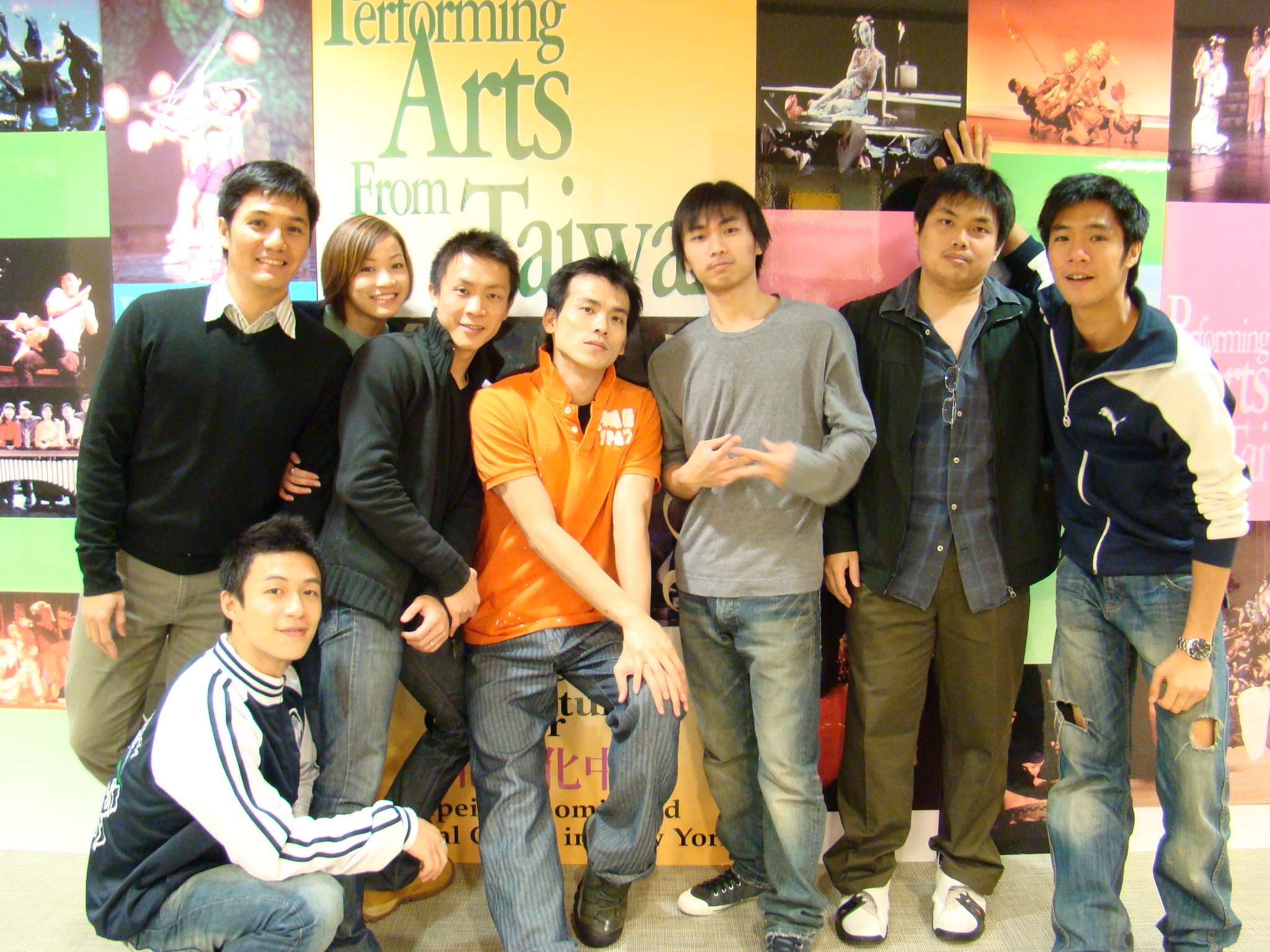
In its early days, the members of HORSE included CHEN Wu-Kang, SU Wei-Chia, CHOU Shu-Yi, YANG Yu-Ming, CHENG Tsung-Lung, and HUANG Yi. Looking back now, these names almost map out the development of contemporary dance in Taiwan over the past twenty years. At that time, they were just a group of seniors and juniors getting together to work on pieces: rehearsing, arguing, playing basketball, and then going back to rehearsing.
When HUANG Yi first had an in-depth conversation with CHEN Wu-Kang and SU Wei-Chia, he asked them what the company’s mission was seriously. To his surprise, after talking for a good while, he still did not get a clear answer. “They even threw the question back at me: ‘What do you think?’” HUANG could not help but wonder whether these people were really going to start a dance company.
Later, he slowly realized that this was simply who they were. They were in no rush to define themselves, and they were not good at articulating grand ideas. Rather than talking about visions, they cared far more about what was happening in the rehearsal space. Rehearse, revise, tear it all down, and start all over again. They wanted to dance, to create, to choreograph better pieces, and to see where dance could go. HUANG Yi eventually decided to join because of how simple and sincere they were. In newspaper interviews from the company’s founding years, they once said that as long as there were people willing to watch them dance, they would keep on dancing, no matter how difficult the road ahead might be. Reading this line again twenty years later, it still feels like the simplest expression of HORSE’s belief.
After the Lights Went Out
Years later, I would still think of that evening in 2020 when we performed Velocity at the Guangzhou Opera House.
The audience did not want to leave even after the post-show talk. The dancers who had just been sweating onstage took on completely different roles once they returned backstage. Some took down the set, some packed up props, some moved equipment, and some went through the shipping list for what would be sent back to Taiwan the next day. In an instant, the stars of the evening in the audience’s eyes had become seasoned crew members.
Real work often has just begun after the show. Exhausted bodies have to hold out a little longer to restore the stage, pack everything into boxes, and make sure the next day’s travel is in order. Life on tour is a constant cycle of load-in, performance, strike, and catching the next connection. On some days, you can barely sit down for a proper meal.
Those images called to mind the corrugated metal warehouse from years ago. From building their own rehearsal space to striking the set together after a show, more than twenty years have gone by, and yet some things seem as if they have never changed at all.
Some have left HORSE, some have continued to work with other groups, and some have moved on to completely different lives. Works onstage come to an end, and applause eventually fades, but there are always people who stay and finish what needs to be done.
Looking back on more than two decades of HORSE, what remains is not just the works, but also the time a group of people spent sweating, working and growing up together.
Starting from that warehouse in Banqiao, this is how it was, and how it still is today.